

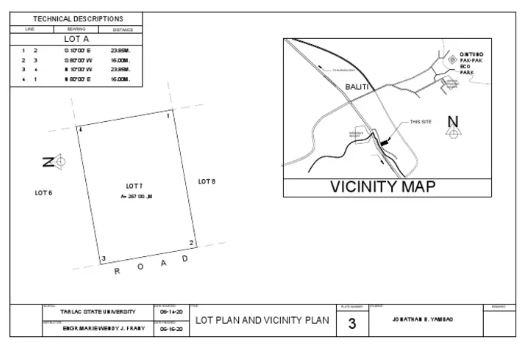
How Lot Size and Soil Conditions Should Influence Your House Plan Choice
Choosing the right house plan is often driven by aesthetics, functionality, and lifestyle preferences. However, one of the most overlooked factors in this process is how the characteristics of the land itself, particularly lot size and soil conditions, can significantly influence whether a design is practical, cost-effective, and even legally feasible. Ignoring these elements can lead to costly redesigns, construction delays, or long-term structural and drainage issues.
Understanding how your property interacts with your chosen house plan is essential for making informed decisions and ensuring a smooth building process.
Why Lot Size Matters More Than You Think
Lot size directly affects what can be built, how it can be positioned, and how efficiently the space can be used. While a large lot offers flexibility, smaller or irregularly shaped lots require more strategic planning.
1. Building Footprint and Layout Constraints
Every municipality has zoning regulations that dictate setbacks, maximum building coverage, and height restrictions. A house plan that looks perfect on paper may not fit within the allowable building envelope of your lot. For example, wide or sprawling layouts may not be suitable for narrow lots, while multi-storey designs may be better suited to maximize vertical space.
2. Outdoor Space and Accessibility
Larger lots allow for additional features such as garages, patios, gardens, and driveways without compromising the main structure. On smaller lots, prioritization becomes critical, and compromises may need to be made between indoor space and outdoor functionality.
3. Orientation and Natural Light
Lot size and orientation also affect how a home receives natural light and ventilation. A well-oriented house plan can improve energy efficiency and comfort, but only if it aligns with the physical dimensions and positioning possibilities of the lot.
The Critical Role of Soil Conditions
While lot size is visible and easy to assess, soil conditions are often underestimated despite being equally important. Soil type determines how stable the ground is, how water drains, and how the foundation must be designed.
| Soil Type | Key Characteristics | Impact on Foundation | Drainage Capability | Design Considerations |
| Clay | Expands and contracts with moisture | High risk of movement and cracking | Poor drainage | Reinforced foundations, proper grading required |
| Sandy | Loose and granular | Good stability but may shift under load | Excellent drainage | May require compaction and support for heavy structures |
| Silt | Fine and smooth texture | Moderate stability issues | Poor to moderate drainage | Additional drainage solutions often needed |
| Loam | Balanced mix of sand, silt, and clay | Stable and ideal for building | Good drainage | Minimal adjustments needed, most house plans suitable |
| Rocky | Hard and uneven terrain | Very stable but difficult to excavate | Excellent drainage | Higher excavation costs, specialized foundation work |
1. Foundation Requirements
Different soil types, such as clay, sand, silt, or loam, behave differently under pressure. Clay soils, for instance, expand and contract with moisture changes, which can lead to foundation movement over time. Sandy soils, on the other hand, offer better drainage but may require reinforcement to support heavy structures.
Choosing a house plan without considering soil conditions can result in unexpected foundation costs or structural risks.
2. Drainage and Water Management
Poor drainage can lead to water accumulation around the foundation, increasing the risk of basement leaks, mould, and long-term damage. Sloped lots or those with high water tables require specific design adaptations, such as elevated foundations or advanced drainage systems.
This is where thoughtful on-site septic system planning becomes especially important, as wastewater management must align with both soil permeability and property layout. Improper planning can lead to system failure, environmental concerns, and expensive corrections.
3. Suitability for Utilities and Systems
Beyond structural concerns, soil conditions also impact how utilities are installed. Homes in areas without access to municipal sewer systems must rely on on-site solutions, which require sufficient space and appropriate soil absorption rates.
If the soil does not drain properly, alternative systems or design modifications may be necessary, influencing both the placement and overall design of the home.
Matching House Plans to Property Conditions
Rather than selecting a house plan first and adapting the land to fit it, a more effective approach is to evaluate the property and choose a design that complements its natural characteristics.
1. Tailoring Design to Lot Shape
For narrow or irregular lots, compact and vertically oriented designs often work best. Open-concept layouts can create a sense of space without requiring a large footprint. Conversely, wide lots can accommodate sprawling single-storey homes with expansive outdoor features.
2. Designing for Soil Stability
In areas with challenging soil conditions, it may be necessary to opt for simpler structural designs that reduce load stress. This can include avoiding overly complex layouts or heavy materials that require additional reinforcement.
3. Integrating Functional Systems Early
Planning for drainage, wastewater management, and utility placement at the design stage ensures that the home functions efficiently from the start. This proactive approach helps avoid retrofitting solutions later, which can be significantly more expensive and disruptive.
Avoiding Costly Mistakes
One of the most common mistakes homeowners make is falling in love with a house plan without considering whether it is suitable for their land. This can lead to:
- Redesign fees and delays
- Increased construction costs
- Structural or drainage issues
- Compliance problems with local regulations
Working with professionals who understand both design and site conditions can help bridge this gap and ensure that the chosen plan aligns with the realities of the property.
Final Thoughts
A house plan should not exist in isolation; it must work in harmony with the land it is built on. By carefully considering lot size and soil conditions, homeowners can avoid unnecessary complications and create a home that is not only visually appealing but also structurally sound and efficient.
Taking the time to evaluate these factors early in the planning process leads to smarter decisions, smoother construction, and a home that performs well for years to come.


