

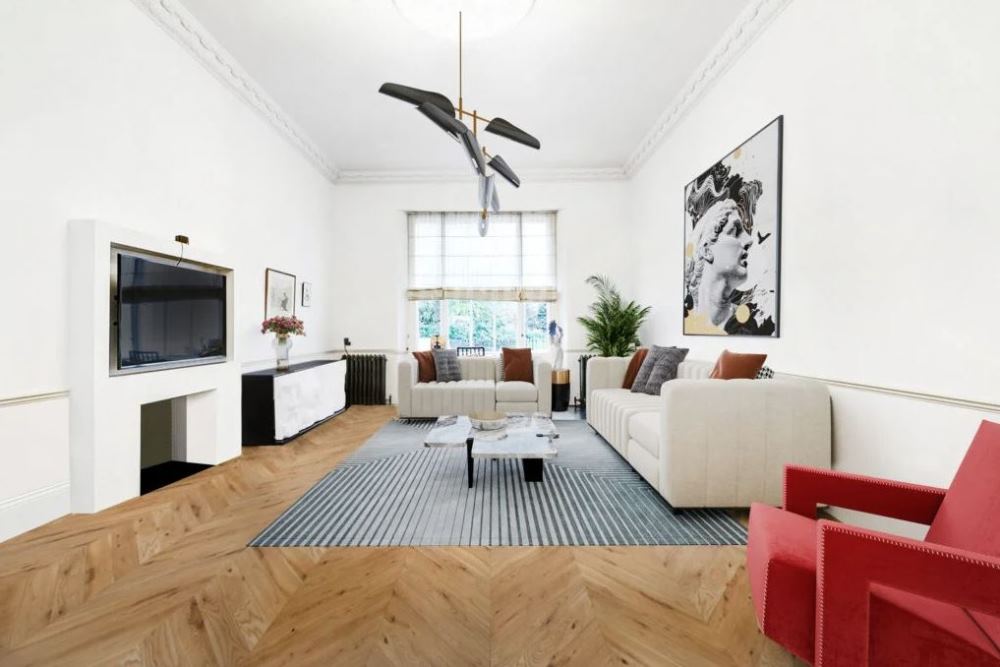
10 Living Room Design Ideas for a Stylish and Comfortable Home
The living room is one of the most important spaces in any home. It is where you relax after a long day, spend time with family, welcome guests, and enjoy everyday activities. A well-designed room should look attractive while supporting the way you live.
You do not need a large budget or a huge floor plan to create an inviting space. The right layout, colors, furniture, lighting, and decorative details can make a noticeable difference. For more home inspiration and interior design resources, visit the EClife platform.
1. Start With a Clear Layout
Before buying furniture, measure your living room. Note the location of doors, windows, electrical outlets, and major architectural features.
Keep enough open space for comfortable movement. Avoid filling every corner with furniture. A simple layout often makes a room feel larger and more organized.
For smaller rooms, consider a compact sofa, nesting tables, or furniture with built-in storage. Larger rooms offer more flexibility, but they still need defined areas to avoid looking empty.
2. Choose a Design Style
A consistent design style helps the room feel coordinated. Popular options include modern, minimalist, Nordic, industrial, Mediterranean, traditional, and Bohemian interiors.
Modern interiors often rely on clean lines and neutral colors. Nordic spaces combine light colors, natural materials, and practical furniture. Bohemian rooms use layered textiles, patterns, plants, and decorative objects.
Explore different living room design ideas to compare styles and find elements that fit your home.
3. Build a Practical Seating Area
The sofa usually becomes the main visual and functional element in a living room. Choose its size according to the available floor area rather than the size you prefer in isolation.
A large sectional might work well in an open family room but overwhelm a compact apartment. A two- or three-seat sofa with an accent chair often provides better flexibility in smaller spaces.
Leave enough room around the seating area for people to move comfortably.
4. Use a Balanced Color Palette
Color has a strong effect on how a living room feels. Start with one dominant color, then add one or two supporting shades.
Neutral colors such as white, beige, gray, and cream provide a flexible foundation. Natural wood can add warmth, while darker tones create contrast. You can introduce stronger colors through cushions, artwork, rugs, curtains, or decorative objects.
Using too many competing colors often makes a room feel disorganized. A restrained palette creates better visual continuity.
5. Make Lighting Part of the Design
Good lighting should serve different purposes. Instead of relying on a single ceiling fixture, combine several light sources.
Consider:
- Ceiling lighting for general illumination
- Floor or table lamps for focused lighting
- Wall lights for decorative accents
- Natural light through windows during the day
Warm lighting works well in areas designed for relaxation. Adjustable lighting also gives you more control over the atmosphere at different times of day.
6. Create a Focal Point
Every living room benefits from a clear focal point. This might be a fireplace, artwork, feature wall, television area, large window, or distinctive piece of furniture.
Once you choose the focal point, arrange other elements around it. This creates a visual hierarchy and prevents the room from feeling scattered.
For example, a large artwork above the sofa can become the main feature while smaller decorative pieces support it without competing for attention.
7. Add Texture With Soft Furnishings
A room filled with hard surfaces can feel cold. Textiles help introduce warmth and depth.
Use rugs, cushions, curtains, blankets, and upholstered furniture to add different textures. You can combine materials such as cotton, linen, wool, wood, leather, and woven fibers.
Keep patterns coordinated with the overall style. A few carefully selected pieces usually create more impact than excessive decoration.
8. Bring Nature Indoors
Plants offer an easy way to add color and texture. Large plants work well in empty corners, while smaller plants fit shelves, side tables, or windowsills.
If your room receives limited natural light, choose plants suited to those conditions. You can also use dried branches or other natural decorative elements.
Wooden furniture and natural fibers provide another way to introduce an organic feel without relying entirely on plants.
9. Use Smart Storage
Good design also means controlling clutter. Storage solutions help keep everyday items organized while maintaining a clean appearance.
Consider furniture with hidden storage, built-in shelving, storage ottomans, baskets, and media cabinets. Keep frequently used items within easy reach and store less attractive objects out of sight.
Open shelving works best when you balance books and decorative pieces with empty space. Completely filling every shelf can make the room look crowded.
10. Personalize the Space
A stylish living room should still feel like your home. Add objects that reflect your interests and experiences.
Family photographs, books, artwork, travel souvenirs, handmade pieces, or favorite collections can give the room character. The goal is to create a space that feels personal rather than copied from a showroom.
EClife’s home design resources provide a broad range of interior inspiration, including different living room layouts, furniture arrangements, and decorative approaches.
Make Function the Starting Point
The best living room design begins with how you use the space. Think about whether your room is mainly for watching television, entertaining guests, reading, working, relaxing, or spending time with family.
Once you understand those needs, choose the layout and furniture accordingly. Then add colors, lighting, textures, and decorations to complete the look.
A successful living room does not need expensive furniture or complicated decoration. It needs a thoughtful layout, practical choices, and details that suit your lifestyle. Start with the space you have, identify what needs to improve, and make changes one step at a time.


