

How Architectural Roof Designs Improve Energy Efficiency
Homeowners often overlook how structural shapes influence monthly power bills. Modern house construction balances visual appeal with smart temperature management.
Building layout options directly affect indoor comfort and utility expenses. Upgrading roof structures helps maintain balanced home temperatures across every season.
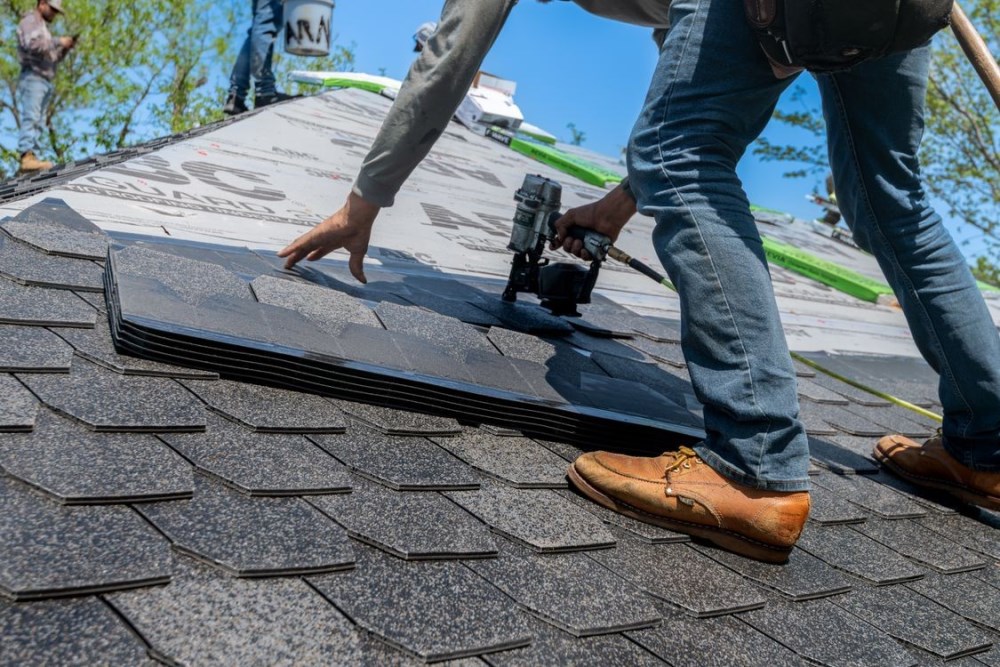
https://www.pexels.com/photo/professional-roofer-installing-shingles-on-new-roof-33404248/
Understanding Roof Shapes And Solar Exposure
Solar heat strikes structural surfaces continuously during daylight hours. Working with established professionals, like the ones at Summit Roofing & Restoration, helps homeowners select optimal angles for thermal defense. Smart placement limits unwanted heat absorption across upper living areas.
Angles determine how direct beams hit upper structural panels during peak daylight. Steeper angles help cast natural shadows during intense summer afternoons. Lower angles absorb direct heat throughout the middle of the day.
Flat surfaces capture maximum solar rays around mid-day hours. Angled designs deflect direct radiation and minimize heat retention within attic spaces. Proper design prevents attic heat traps.
The Impact Of Roof Pitch On Heat Absorption
Roof slope dictates how much sunlight hits building surfaces throughout different seasons. Research from roofing experts indicates that pitch angle directly impacts solar radiation intake across the year. Thermal performance changes significantly based on geographic orientation and pitch steepness.
Steep roofs shed direct heat quickly as the sun moves across the sky. Low slopes experience extended direct solar exposure during peak afternoon hours. This difference alters internal cooling needs across hot summer months.
Selecting an optimal slope creates immediate temperature benefits inside living spaces. Proper angles balance seasonal heat absorption without sacrificing home style. Strategic pitch planning delivers year-round energy savings.
Cool Roof Technology And Reflective Materials
Specialized roofing materials bounce sunlight away from home structures rather than absorbing heat. Data shows that cool roof installations in warm summer conditions cut air conditioning energy usage between 7% and 21.5%. High reflectivity ratings protect structural integrity across long periods.
Reflective coatings lower surface temperatures on hot days. Lower surface temperatures keep upper stories comfortable without overworking cooling units. Systems operate smoothly without excessive energy spikes during thermal heat waves.
Material choice acts as a primary defense line against excessive thermal buildup. Modern tile and metal options reflect radiation far better than traditional dark asphalt products. Upgraded surfaces keep indoor spaces significantly cooler.
Ventilation Systems Built Into Roof Layouts
Air circulation systems hidden along ridgelines release trapped attic heat efficiently. Industry reports confirm proper attic airflow cuts cooling energy demands between 10% and 25% in hot climates. Balanced intake and exhaust vents protect indoor conditions.
Continuous ridge vents work alongside soffit intakes to pull cooler air upward. Continuous air motion stops hot air pockets from forming above top ceilings. Balanced airflow prevents heat from transferring downward into living rooms.
Passive ventilation operates without electricity, saving money year-round. Consistent airflow stops moisture buildup, protecting structural insulation. Effective ventilation preserves insulation quality for decades.
Structural Overhangs And Natural Shading Benefits
Extended eaves shade windows and side walls from intense overhead sunlight. Strategic overhang sizing keeps high summer sun off glass surfaces. Blocking rays early keeps interior rooms cool without mechanical air conditioning.
Lower winter sun angles bypass overhangs to provide natural interior heat. This passive design concept cuts heating and cooling reliance throughout changing seasons. Homeowners enjoy natural climate moderation without extra utility spending.
Key structural elements that maximize natural shading include:
- Deep eaves along south exterior walls
- Extended patio coverings shielding large glass doors
- Integrated louvers blocking direct mid-day rays
These architectural extensions deliver long-term energy savings without extra maintenance costs. Simple additions cut sun exposure on vulnerable glass panes.
Insulation Space Created By Attic Framing
Structural roof trusses create space for thick insulation layers above living zones. Raised heel trusses allow full insulation thickness right up to exterior wall edges. Structural clearance eliminates cold spots near roof boundaries.
Preventing thin insulation spots near eaves stops winter heat loss. Proper framing keeps conditioned air inside living spaces where families spend time. Reduced heat loss keeps utility bills manageable through cold winter months.
Deep attic cavities create natural thermal buffer zones between indoors and outdoors. Adequate space lets insulation materials perform at maximum rated efficiency. Proper clearance keeps conditioned indoor temperatures steady.
Modern Materials Tailored For Energy Efficiency
Contemporary manufacturing produces roofing products designed for thermal control. Synthetic shingles reflect radiation while mimicking natural slate appearance. Innovative materials provide long service lives while lowering cooling loads.
Standing seam metal systems incorporate thermal breaks to stop heat transfer. Interlocking panels prevent air leaks while reflecting direct sunlight. Strong sealing keeps ambient weather out permanently.
Choosing durable, energy-smart materials increases home value for years. Proper material pairing optimizes thermal resistance across the whole structure. Long-term savings offset initial installation costs quickly.
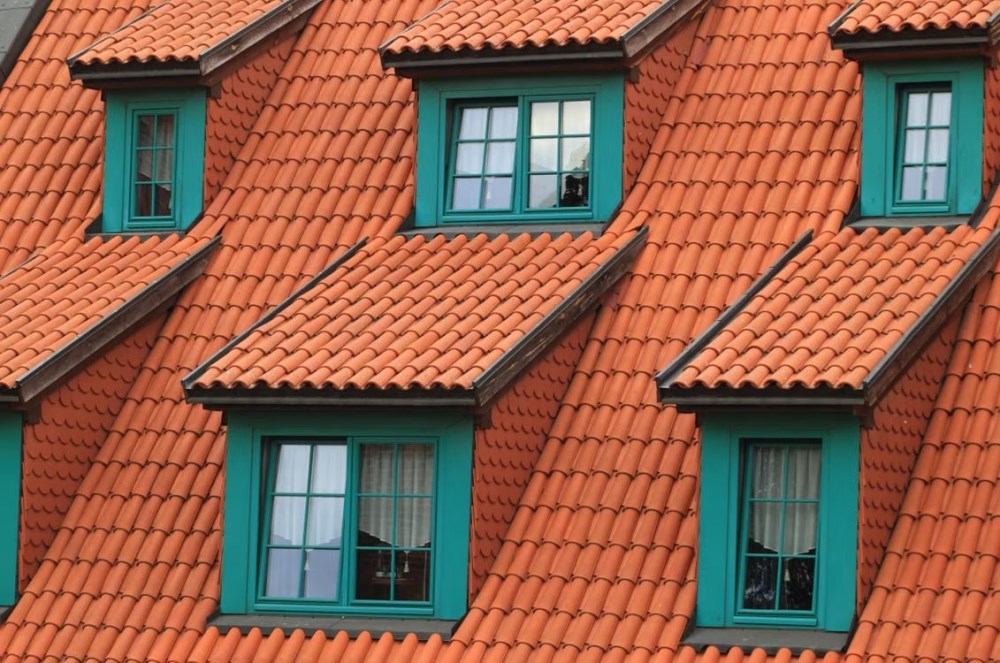
Smart roof design choices transform house energy performance across all seasons. Evaluating pitch, materials, and airflow produces lasting indoor comfort. Proper structural planning cuts monthly energy expenses effectively.
Investing in effective thermal protection lowers utility spending for years. Modern architectural strategies make eco-friendly living practical and stylish. Intelligent design choices protect both finances and interior comfort.


