

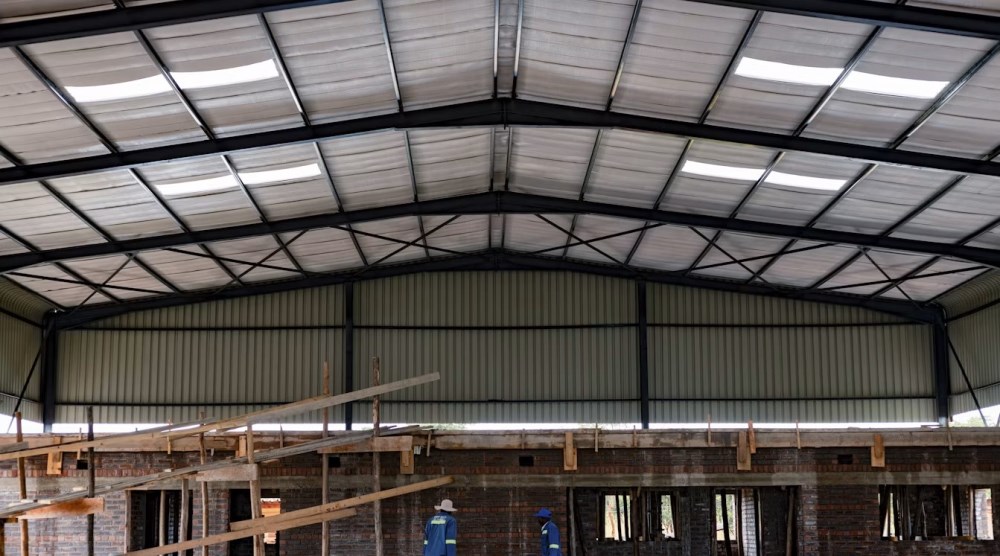
How Prefab Structures Power Remote Site Logistics
Setting up operations in isolated locations presents tough construction challenges. Freight costs spike, severe weather slows progress, and finding skilled labor far from major cities creates severe project delays. Prefabricated structures solve these headaches by shifting heavy building tasks into controlled manufacturing environments.
Streamlining Workflows in Remote Locations
Managing raw materials in isolated regions requires constant coordination and flexible site planning. Modern field teams often depend on Cotton Logistics and similar trusted providers to streamline complex site setups and keep supply lines moving without delay. Structured support systems allow remote site managers to focus on primary tasks instead of solving unexpected delivery bottlenecks. Proper logistical planning keeps remote projects on schedule through harsh weather conditions.
Organized logistics frameworks reduce costly downtime when setting up temporary housing camps or field offices. Standard construction methods force crews to transport hundreds of individual loose components across rugged dirt roads. Field crews receive modular structural units in organized waves, matching exact site preparation timelines. Smooth delivery schedules stop heavy equipment from sitting idle when workers wait for key framing pieces.
Controlled Off-Site Assembly Efficiency
Factory construction changes how builders handle resource allocation on demanding project builds. Recent industry analysis points out that off-site manufacturing moves heavy labor off-site and into specialized facilities where equipment, materials, and staff work through repeatable factory steps. Controlled production environments cut material waste and keep building projects moving on schedule.
Moving build processes into covered factories protects core structural materials from harsh rain and snow. Quality control inspectors verify every framing joint before modules leave the factory floor. Uniform building standards mean every panel fits perfectly during final site assembly, eliminating unexpected field modifications. Factory workers operate under steady indoor conditions that improve craft quality.
Rapid Installation Timelines
Time directly drives operational budgets on isolated industrial job sites. Market research highlights that manufacturing modular components off-site before assembling them on-site cuts project timelines significantly. Shorter construction schedules lower site overhead costs and reduce total labor expenses. Faster completion dates allow companies to reach operational goals ahead of target deadlines.
Fast setup allows field crews to occupy completed accommodation buildings weeks ahead of traditional schedules. Rapid deployment keeps remote expansion projects on target:
- Floor structures lock into foundation anchors without lengthy concrete curing periods.
- Wall modules arrive pre-wired with electrical lines ready for instant utility connections.
- Pre-cut roof caps fasten securely in hours to seal interior spaces against harsh weather.
Rapid assembly cuts local labor demands in areas where specialized construction workers are scarce. Site managers complete full office quarters using small assembly crews equipped with standard crane equipment. Fast builds allow companies to begin revenue-generating operations ahead of schedule. Streamlined field work keeps worker safety high throughout assembly.
Modular Flexibility and High Reusability
Temporary energy and mining operations rarely stay in 1 location indefinitely. Industry trade reports note that modular structures feature integrated floor, wall, and roof panels built off-site for fast setup, easy relocation, and long-term reuse. Field operators disassemble these structures quickly once primary extraction projects wrap up.
Reusing modular frames across multiple project cycles saves substantial capital over years of field work. Disassembled panels load cleanly onto standard flatbed trailers for transport to new job sites. Modular design flexibility allows companies to reconfigure interior layouts for future operational needs without buying new materials. Reusable components simplify long-term asset management across multiple operational regions.
Lowering Site Footprints and Environmental Impact
Minimal ground disturbance helps protect sensitive surrounding terrain near remote work camps. Heavy machinery operates less on raw soil when builders assemble pre-made parts instead of pouring permanent concrete slabs. Smaller environmental footprints simplify post-project land restoration after operations conclude. Leaving soil undisturbed preserves natural drainage patterns around the camp perimeter.
Clean assembly zones keep construction debris out of nearby waterways and forest areas. Factory pre-cutting keeps scrap metal and lumber waste contained within industrial recycling facilities. Protecting local ecosystems builds strong community relationships with regional planning authorities. Careful site planning leaves natural habitats intact for years to come.
Cost Control Through Standardized Structural Designs
Unexpected material price spikes often ruin remote building budgets before framing even starts. Factory designs rely on standardized blueprints that keep raw material costs predictable from day 1. Purchasing pre-engineered modules eliminates budget surprises caused by local supply shortages. Predictable material orders protect projects from inflation swings.
Predictable construction expenses help project managers plan long-term workforce housing budgets accurately. Standardized architectural plans eliminate costly design errors long before assembly teams arrive on site. Repeatable building layouts simplify future maintenance routines across multiple operational sites. Consistent building plans make training maintenance teams quick and efficient.
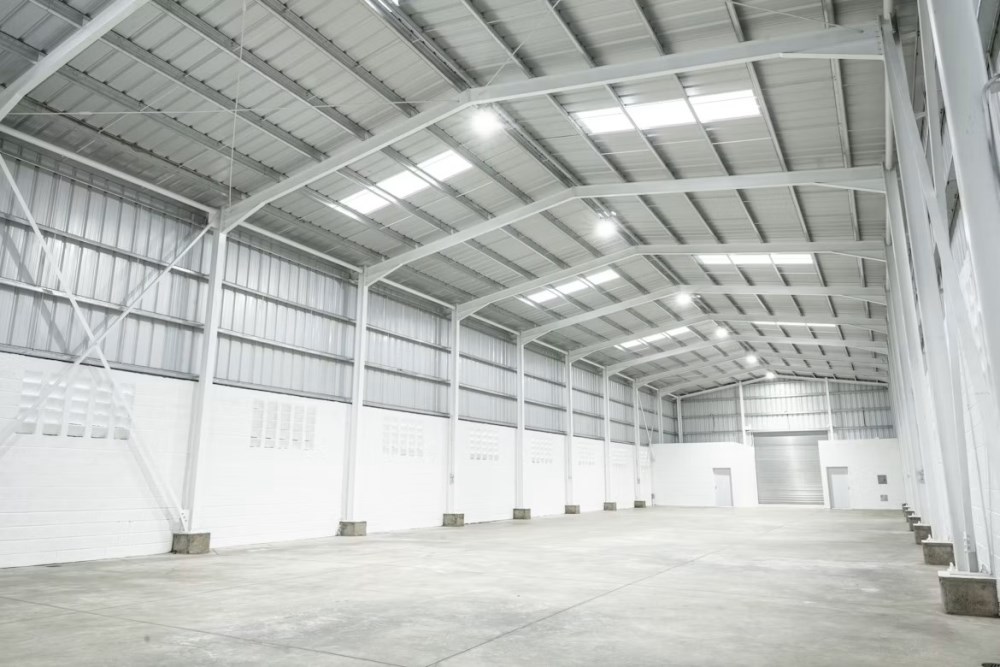
Prefabricated structures give remote operations a reliable way to deploy site infrastructure fast. Shifting structural assembly into controlled factories lowers costs, reduces weather delays, and protects field workers. Modular designs keep remote projects moving forward efficiently from start to finish.


