

7 Mailbox Tips Every Homeowner Should Know
The mailbox is one of the most overlooked fixtures on any property — until something goes wrong with it. A stuck lock, a missing package, a rusted-through door, or a delivery suspension notice all tend to arrive as surprises, even though most of these problems are entirely preventable with a bit of upfront attention. Here are seven practical tips that make a real difference over the life of a mailbox.
- Know the Actual Height Requirement
Most homeowners have no idea there’s a federal requirement for mailbox height, and it’s one of the most commonly violated rules without anyone realizing it. USPS requires the bottom of the mailbox opening to sit 41 to 45 inches from the road surface — not from the ground at the base of the post, which can differ by several inches depending on how the property is graded. Getting this wrong is one of the leading causes of delivery suspension notices, and it’s worth a two-minute measurement check even on a mailbox that’s been in place for years. Retailers focused specifically on this problem, like Mailbox Avenue, have built entire catalogs around that one distinction — USPS-compliant locking designs rather than treating security as an afterthought feature.
- Don’t Skip the Lock Maintenance
A locking mailbox only works if the lock itself functions reliably, and neglect is the most common reason it doesn’t. This is exactly the kind of small maintenance task that a proper seasonal lubrication schedule solves permanently — twice a year, ideally before summer humidity and before the first winter freeze, using a graphite-based dry lubricant rather than an oil-based product. Oil thickens in cold weather and attracts dust and debris in warm weather, both of which lead to a lock that sticks or seizes at the worst possible time.
- Match the Post to the Mailbox
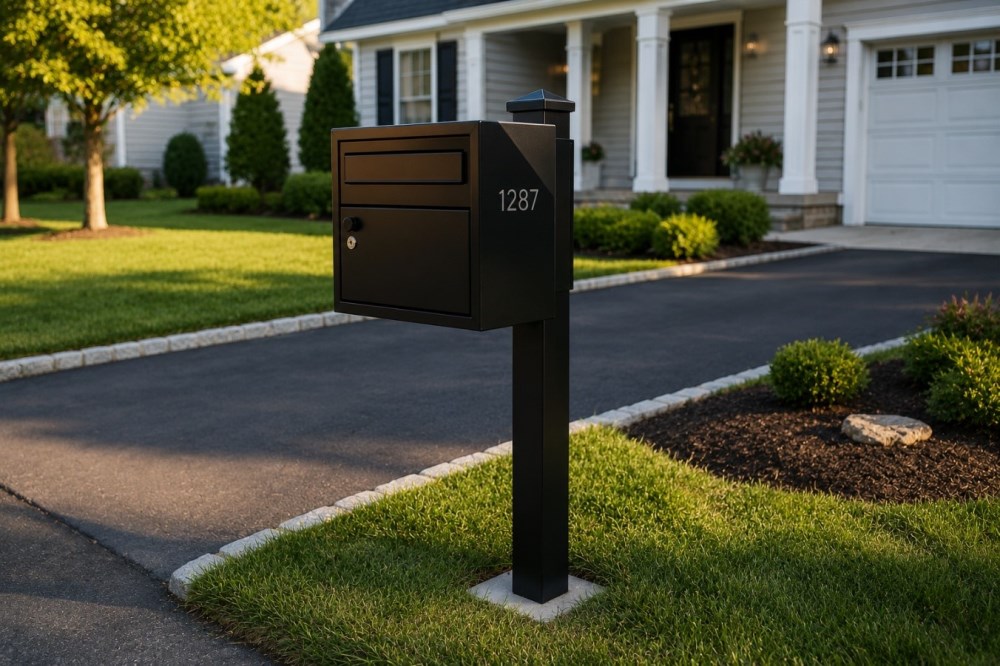
A great mailbox on a deteriorating, mismatched, or leaning post undermines the entire upgrade. From the street, the post is roughly half of what people actually see. When replacing a mailbox, take a moment to evaluate whether the post deserves attention too — a coordinated set reads as a deliberate design choice, while a mismatched pairing looks assembled from whatever was on hand.
- Check for Rust Before It Spreads
Surface rust on a metal mailbox is manageable if caught early — a light sanding, a rust-inhibiting primer, and a fresh coat of exterior paint can add years of life. Left unaddressed, rust spreads and eventually compromises the structural integrity of the door, hinges, or body itself, at which point repair no longer makes financial sense compared to replacement. A quick seasonal inspection catches this early enough to matter.
- Size for How You Actually Receive Mail Today
Many mailboxes in use today were sized for a mailing pattern that no longer reflects reality. The average household now receives multiple packages a week alongside standard letter mail, and a mailbox designed decades ago for envelopes and the occasional catalog often can’t accommodate that volume without daily overflow. If your mailbox regularly can’t close properly or leaves packages exposed, it’s undersized for current needs — not a personal failing in retrieval habits.
- Understand What a Locking Mailbox Actually Protects Against
A locking mailbox isn’t about stopping every possible threat — it’s specifically effective against opportunistic theft, which represents the majority of residential mail theft incidents. The mechanism is simple: carriers deposit mail through a front-load slot without needing a key, while only the homeowner can open the retrieval door.
- Don’t Wait for Total Failure to Replace
A mailbox rarely fails all at once — it degrades gradually, and homeowners often push through years of minor annoyances (a sticky door, chipped paint, a wobbly post) before finally replacing it. Watching for the actual warning signs — structural rust, a door that won’t seal, a lock that resists maintenance — leads to a better-timed decision than waiting for outright failure, which usually happens at an inconvenient moment rather than a planned one.
None of these tips require major expense or expertise — most are a weekend project at most, and several are simply a matter of noticing something early rather than late. The mailbox rarely gets credit for how much it actually does, but a little attention a couple of times a year keeps it working the way it’s supposed to for a decade or more.


