

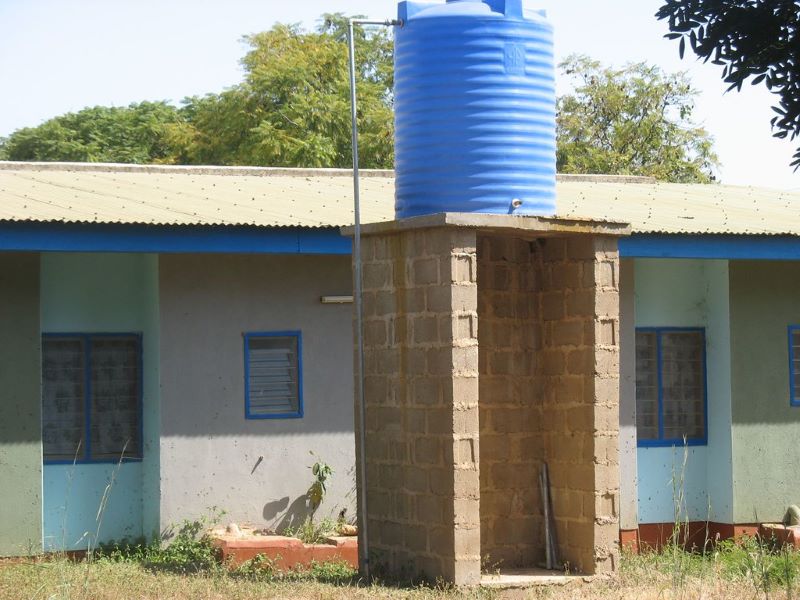
Polyethylene Tanks: Lightweight & Durable Option
When considering reliable and durable storage solutions, polyethylene tanks stand out for good reason. This material offers superior resilience compared to alternatives, making it a top choice for safely containing liquids over extended periods. Carry on to see what gives these lightweight yet sturdy vessels an edge.
Defining Polyethylene Tanks
Polyethylene tanks are made using one of the most versatile plastics available. Derived from petroleum, this durable material has the ideal balance between strength and weight.
Consequently, polyethylene tanks provide tough and long-lasting storage across a wide spectrum of uses, whether for garden irrigation supplies or commercial chemical inventory. These vessels come in a variety of configurations to suit specific volume and footprint requirements.
Water Tank Suppliers
One major producer of premium polyethylene tanks is The Water Tank Factory. Using the highest food-safe grades of polyethylene, this company specializes in manufacturing storage solutions explicitly engineered for long lifetimes and reliable safety.
Impressively, The Water Tank Factory offers an industry-leading 10-year warranty on polyethylene tanks aimed at domestic and household use. This exemplifies their confidence in the durability of their production quality standards.
Polyethylene Versus Metal Tanks
So how do polyethylene tanks measure up against metal variants? Above all else, keep in mind that polyethylene is resistant to rust whereas metal isn’t. Over time, as exposure to liquidity and oxygen occur, even galvanized metal tanks can corrode unless you commit to regular expensive maintenance.
Polyethylene tanks end up faring better in this regard. They require less maintenance and are chemically inert, meaning they don’t interact with stored substances. Also, since polyethylene reflects sunlight instead of absorbing its heat like metal, the contents inside the tank remain cooler.
Manufacturing of Polyethylene Tanks
Creating a polyethylene tank requires expertise and precision. The process is initiated by heating powdered polyethylene within a large rotational molding machine until reaching a uniform molten state. Through delicate temperature and motion control techniques, this substance gradually spreads into an even layer along the mold interior, hardening into the finished seamless tank structure.
This rotational technique enables precise material distribution for uniform wall thickness without imperfections or stress points. Consequently, the resulting vessels possess inherent durability surpassing tanks produced through alternative joinery-based approaches.
Unique Features of Polyethylene Tanks
What sets polyethylene tanks apart from the crowd? For starters, these vessels can withstand an impressive range of temperatures without breaking down – from subzero conditions to sweltering heat, polyethylene remains intact. Additionally, considering their sturdy form and lightweight character, they’re remarkably easy to transport and install. You’re getting convenience wrapped in durability.
Unlike their metal counterparts that come in set designs, today’s innovative manufacturing techniques allow for flexibility in shaping polyethylene tanks. From slimline to round or underground configuration – you’ve many design options at your fingertips.
Advantages of Lightweight Tanks
Lightweight yet durable construction of polyethylene tanks offers several benefits. Top of the list is ease of transportation and installation. After all, less weight implies easier maneuvering, better fuel economy for transport and reduced labor costs at the point of assembly.
Additionally, these tanks don’t need heavy machinery such as cranes for installation like their heavier counterparts, further saving on costs. Most importantly though, a lighter weight doesn’t compromise on load capacity – polyethylene tanks can store up to thousands of liters if needed without cracking under pressure.
Durability Aspect of Polyethylene Tanks
But what about durability? Can a plastic tank truly hold its own against harder materials like metal or concrete? With polyethylene, the answer is a resounding yes. In fact, the extreme durability of polyethylene tanks makes them well suited to harsh building sites. They stand up to debris, sunlight, and heavy usage supplying water across large projects. And the chemical resistance ensures no contamination risk, even when collecting and recycling water.
This stellar material can resist harsh weather conditions, with an inbuilt ability to expand and contract in response to changing temperatures – this flexibility minimizes the risk of cracks that rigid structures often develop. The recycled water stored onsite can then be beneficially reused for sustainable concrete mixing or dust control without worrying about salt/chemical deterioration.
The Scratch-Resistant Quality of Polyethylene
Now, beyond withstanding heavy loads and weather elements, polyethylene tanks also win in terms of scratch-resistance. Their natural resilience to scuffs and dings makes them an ideal storage option for situations where they might accidentally get hit or bumped.
Even if the exterior does get scratched over time, it doesn’t affect the tank’s ability to function properly. This tough exterior helps extend the service life of the tank and ensures you get a long-term solution for your storage needs.
Maintaining Polyethylene tanks
Maintenance is incredibly simplified when dealing with polyethylene tanks. These resilient materials do not require regular repainting or sealing like metal or concrete versions. Instead, general cleaning suffices to keep them in top shape.
Should any dirt or debris accumulate over time, a basic hose-down would often do the trick. And because they’re made from lightweight material, repositioning the tank for thorough cleaning isn’t as labor-intensive compared to dealing with metal tanks.
Safety Measures and Regulations
Safety is paramount when handling any storage tanks –polyethylene units being no exception. Their inherent non-reactive property makes them safe for storing food items & most chemicals provided they have been explicitly designed for such use.
However, always ensure that you adhere to local safety regulations and guidelines regarding placement and usage. Be sure to install them correctly initially, as moving a fully loaded tank may pose serious risk.
Common Uses of Polyethylene Tanks
Polyethylene tanks have a broad spectrum of applications. You’ll commonly find these resilient containers used in agricultural and gardening settings. In fact, they’re the top choice for irrigation water storage and even rainwater collection systems. Responsible homeowners interested in conservation are also using polyethylene tanks to harvest rainwater for reuse to water sustainable lawns and gardens. This promotes sustainability while saving money on water bills over the long term.
Apart from this, you’ll also see industries using polyethylene tanks for storing chemicals and other potentially hazardous materials safely, thanks again to their chemical-resistant property.
Potential Drawbacks and Solutions
Polyethylene does have a few vulnerabilities worth noting. For one, direct ultraviolet light exposure slowly degrades the plastic over years of uncontrolled contact. Careful placement helps avert this issue.
Polyethylene tanks also carry higher initial cost than some other popular materials such as concrete or steel. However, factoring in dramatically lower lifetime maintenance along with extended functional lifespan places polyethylene as the more strategically sound investment in many situations.
Choosing the Right Tank
Deciding on the best polyethylene tank for your needs will depend on several factors. From the intended use, storage capacity requirements, available space, and of course, budget. Search for reputable suppliers online and view different tank ranges to compare options.
You’ll also need to consider any local regulations or codes that might dictate the type or installation method when selecting your tank. It would be beneficial to consult with professionals or experienced suppliers in order to make an informed decision.
In a Nutshell
With proven resilience across decades of real-world use, polyethylene offers a supremely lightweight yet durable liquid storage solution. The material’s advantages like chemical resistance and low maintenance justify the initial investment for consumers and businesses alike. While no material offers a universally perfect fit, polyethylene provides compelling benefits for the wide range of situations it was designed to handle.


