

Top Roofing Trends for Sustainable Homes in 2024
The roofing industry is undergoing a transformation, driven by a growing emphasis on sustainability, energy efficiency, and innovative materials. As we move into 2024, homeowners and builders alike are seeking roofing solutions that not only protect and enhance the aesthetic appeal of their homes but also contribute to a healthier planet. This article explores the top roofing trends for sustainable homes in 2024, offering insights into how these advancements can address the challenges of modern, eco-conscious living.
Solar Integration
One of the most significant trends in sustainable roofing is the integration of solar technology. Solar roofs are becoming increasingly popular, as they offer a dual-purpose solution: generating clean, renewable energy while providing essential protection for your home. Innovations in solar roofing include solar shingles and tiles that seamlessly blend with traditional roofing materials, offering an aesthetically pleasing solution that is both functional and environmentally friendly.
Green Roofing Systems
Green roofs, or living roofs, are another trend gaining momentum. These systems involve the installation of vegetation layers on rooftops, which help insulate the home, reduce stormwater runoff, and improve air quality. Green roofs also contribute to biodiversity and can provide a serene, natural space for homeowners. As urban areas continue to seek sustainable development solutions, green roofing systems are becoming a viable option for both residential and commercial properties.
Cool Roofing Materials
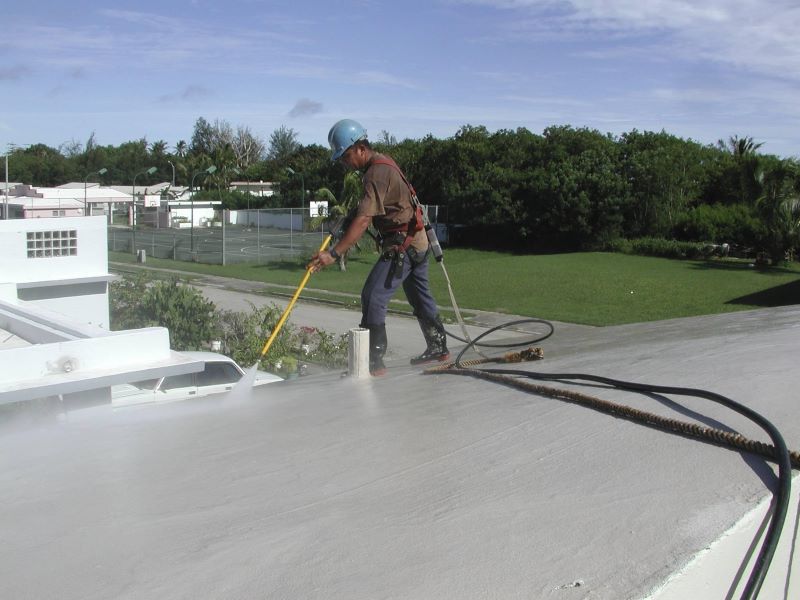
Cool roofs are designed to reflect more sunlight and absorb less heat than standard roofing materials, significantly reducing cooling costs during warmer months. Made from highly reflective paint, sheet coverings, or reflective tiles and shingles, cool roofs maintain a lower temperature than traditional roofs, contributing to energy efficiency and comfort in the home. This trend is particularly beneficial in areas with high temperatures and sunny climates.
Recycled and Sustainable Materials
The use of recycled and sustainable materials in roofing is on the rise. Homeowners are increasingly opting for materials that have a lower environmental impact, such as recycled metal, rubber, and plastic roofing products. These materials are not only durable and long-lasting but also contribute to the reduction of waste and the conservation of natural resources. Additionally, sustainably sourced wood shingles and shakes are gaining popularity among those seeking a natural aesthetic without compromising environmental values.
Enhanced Durability and Longevity
Sustainability is not just about the materials used but also about creating roofs that last longer and require less maintenance. Durable roofing options, such as metal and slate, are seeing a resurgence, as they offer lifespans that can exceed 50 years. By investing in a roof that stands the test of time, homeowners can reduce the need for frequent replacements, minimizing waste and the environmental impact associated with roofing projects.
Energy-Efficient Insulation and Ventilation
An often-overlooked aspect of sustainable roofing is the importance of proper insulation and ventilation. These elements play a crucial role in maintaining a comfortable indoor temperature, reducing the need for heating and cooling, and ultimately conserving energy. Advanced insulation materials and techniques, along with smart ventilation systems, are becoming integral features of sustainable roofs, ensuring that homes are not only eco-friendly but also cost-effective in the long run.
Choosing a Specialist in Sustainable Roofing
When embarking on a commercial or sizable residential roofing project with sustainability in mind, the expertise of a skilled commercial roofer is indispensable. Such professionals are not only adept at installing roofs but also bring a wealth of knowledge on eco-friendly materials and energy-efficient designs. Their guidance ensures your roofing investment aligns with both environmental goals and long-term durability, making your choice an impactful part of your sustainable living strategy.
Conclusion
The shift towards sustainable roofing in 2024 highlights a commitment to eco-friendly living and energy efficiency. By adopting innovative materials and technologies, homeowners can significantly lower their environmental impact. Expert guidance from seasoned professionals is crucial in navigating this green revolution, ensuring that our roofs protect both our homes and our planet.


