


From Blueprints To Building: How Drones Support Home Innovation
The world of residential construction and home improvement is evolving rapidly, and drones are at the forefront of this transformation. Once reserved for hobbyists and photographers, drones are now indispensable tools for builders, architects, and homeowners alike. By providing a bird’s-eye view, capturing precise data, and streamlining complex processes, drones are reshaping the way homes are designed, built, and maintained.
From the early stages of planning to long-term property care, these devices are helping to make housing more efficient, cost-effective, and sustainable.
Revolutionizing Planning and Site Analysis
One of the biggest advantages drones bring to the home-building process is their ability to provide accurate site analysis. Before construction begins, drones can scan the land, create detailed 3D maps, and highlight potential issues such as uneven terrain, drainage concerns, or obstacles that may affect design.
For homeowners, this translates to fewer surprises during the construction phase. Builders can better prepare for challenges, reducing delays and keeping projects on budget. Drones eliminate the need for costly and time-consuming manual surveys, allowing planning to move forward more quickly without sacrificing accuracy.
Making Inspections Safer and More Accurate
Inspections are a critical part of construction and ongoing home maintenance, but they often involve risk. Traditional inspections require ladders, scaffolding, or even cranes to evaluate rooftops and high structures. Drones have changed that entirely by enabling safe and precise aerial roof inspections that capture high-resolution images without anyone leaving the ground. These inspections are faster, safer, and often more detailed than manual methods. They allow builders to verify construction quality, identify damage, or check for wear-and-tear before small issues become costly repairs. For homeowners, this means peace of mind and significant cost savings.
Enhancing Communication Between Stakeholders
Building a home involves collaboration between architects, contractors, engineers, and clients. Miscommunication can lead to costly errors, delays, and frustration. Drones help bridge these gaps by capturing real-time footage of construction sites and providing updates that everyone can access.
Architects can confirm that their designs are being implemented correctly, contractors can demonstrate progress, and homeowners can feel more involved in the building process without constantly visiting the site. This enhanced transparency builds trust and ensures projects stay aligned with the original vision.
Supporting Sustainable and Efficient Building Practices
Sustainability has become a defining priority in modern home construction, as both builders and homeowners seek to reduce environmental impact and create energy-efficient living spaces. Drones are playing a crucial role in making these goals more achievable by providing precise, actionable data that supports smarter decision-making at every stage of the project.
One of the key advantages drones offer is the ability to gather detailed topographic and environmental data. With this information, builders can optimize material usage, cut down on unnecessary waste, and plan construction layouts that enhance efficiency. Aerial mapping can identify natural features of the land that should be preserved, such as trees or water drainage paths, while highlighting areas most suitable for development. This reduces the likelihood of costly redesigns or environmentally damaging mistakes.
Improving Safety and Risk Management
Construction sites are inherently risky environments, with challenges ranging from heavy machinery and electrical systems to working at extreme heights. Traditionally, ensuring worker safety has required physical inspections, scaffolding, or crane use, all of which introduce additional hazards. Drones are transforming this landscape by significantly reducing the need for workers to place themselves in dangerous situations.
Equipped with high-resolution cameras and advanced sensors, drones can scan unstable structures, inspect rooftops, and monitor confined or hard-to-reach spaces that would otherwise require specialized equipment. They provide a live feed to supervisors, allowing them to spot hazards in real time, such as loose materials, uneven surfaces, or unsafe worker practices. This ability to act quickly on accurate information helps prevent accidents before they occur.
The Future of Drones in Home Innovation
The role of drones in residential construction is only expected to grow. As technology advances, drones will become even more precise, integrating with artificial intelligence to detect structural issues automatically or predict potential maintenance needs. Combined with 3D printing, smart home integration, and other emerging technologies, drones will continue to drive innovation in how homes are designed, built, and cared for.
In the future, homeowners may rely on drones not just during construction but as part of ongoing maintenance routines. Automated inspections, real-time monitoring, and predictive analytics could become standard, making homeownership simpler and more cost-effective than ever before.
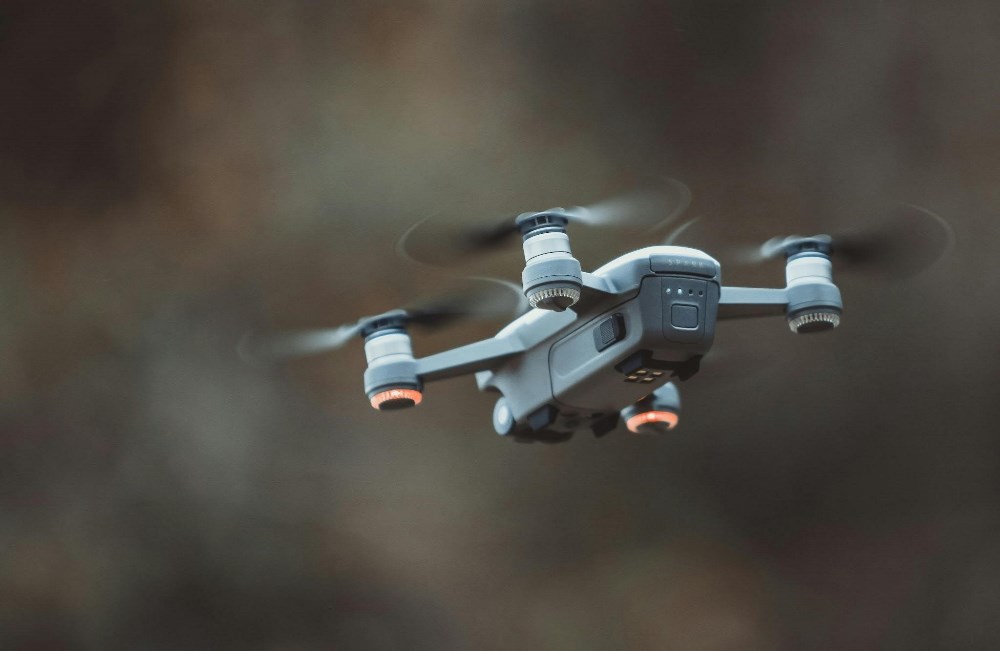
Drones are transforming the entire home-building journey, from blueprints to final inspection. They provide accurate site analysis, safer evaluations, improved communication, and sustainability-focused insights. They enhance safety on construction sites and promise even greater innovation in the years ahead.
For homeowners and builders alike, embracing drone technology means faster projects, smarter decisions, and homes designed for both modern living and long-term resilience.


