

From Start to Finish: The Process of Building a Deck
Building a deck can transform your outdoor space into a private retreat, perfect for entertaining, relaxing, or spending time with family. A well-constructed deck adds value to your home and improves your enjoyment of your outdoor environment. Embarking on a deck-building project requires careful planning, execution, and a good understanding of the materials and processes involved. Read on to learn more.
Plan Your Deck Design
Creating a comprehensive plan is the first and most crucial step in building a deck. Determine the purpose of the deck, which will dictate its size, shape, and layout. See whether you want space for grilling, dining, lounging, or simply enjoying nature. Take into account the existing landscape and how your deck will fit into it.
Sketch out a rough design, keeping in mind local building codes and regulations that might impact size and height. Consult with a professional deck installer who can provide valuable insights and identify features for better functionality. Select the right materials: options range from traditional wood to composite materials, each offering unique benefits and maintenance requirements. Identify your budget upfront to stay within financial limits and still achieve your dream deck.
Obtaining Permits and Approvals
Before construction begins, check if you need any permits or approvals. Local laws governing residential structures may require specific permissions for larger decks or those attached to the home. Visit your municipal office or its website for details on requirements that may impact your project.
Owners need to submit detailed plans that align with zoning regulations and environmental guidelines. Sometimes, an inspection might be necessary at different stages of construction. Not acquiring the proper permits can lead to fines or even the need to dismantle the deck later. The approval process can be time-consuming, so it’s best to factor this duration into your project timeline.
Gathering Materials and Tools
With permits secured, the next phase involves gathering all necessary materials and tools for the building process. The primary components include framing materials, decking boards, and railings. Depending on your design and preferences, you might choose between pressure-treated wood, cedar, composite materials, and various styles of decking.
Collect a circular saw, drill, level, measuring tape, and safety gear. Each item should be in good working order. Factor in any decorative elements or enhancements such as lighting, skirting, and built-in benches. Organizing all materials and tools before starting construction will streamline the process and reduce the likelihood of disruptions.
Constructing the Deck Frame
The framing is the backbone of your deck and needs to be constructed meticulously for better stability. Mark the boundaries of your deck as outlined in your plan, using stakes and string lines for accuracy. Place the ledger board against your house or the structure’s designated support point and secure it firmly.
Establish post locations and set them into concrete footings to provide a solid base. Check for level and alignment as you build the frame and connect the posts with beams and joists. Any mistakes at this stage can lead to significant challenges later, so take your time and pay attention to every detail.
Adding the Decking Material
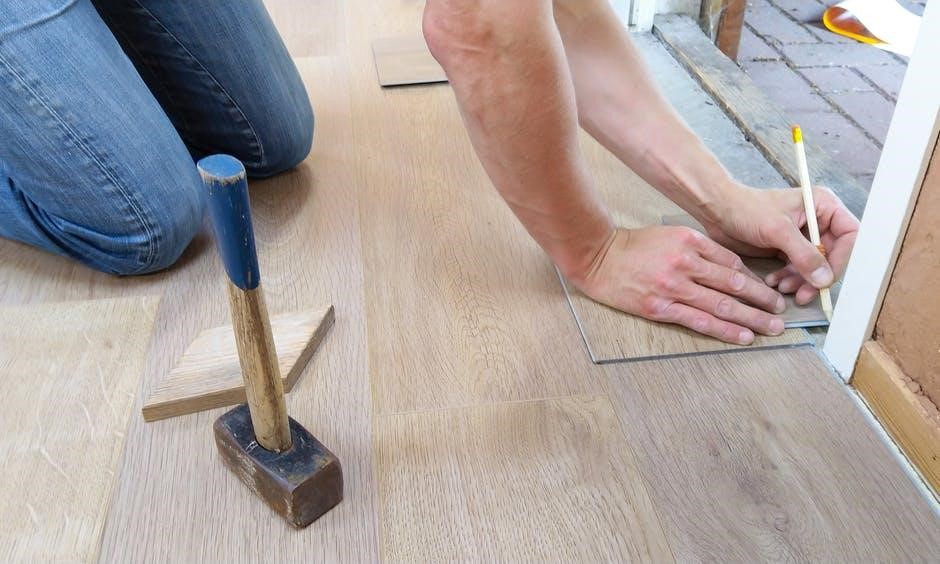
Once the frame is complete, it’s time to install the decking material, which involves laying down the boards that will form the surface of the deck. Start from one end of the deck and lay the boards parallel to the house so that they align correctly at the edges. Leave adequate spacing between boards for drainage to prevent warping and promote longevity.
The chosen fastening method—screws, hidden fasteners, or nails—will affect the aesthetic and durability. Take care of alignment during this step; an uneven surface can disrupt the visual appeal and safety of the deck. After laying the decking, trim the edges neatly for an appealing finish. This step is where the deck begins to transform from plans on paper to a tangible space.
Incorporating Railings and Safety Features
Now the attention turns to safety features, particularly railings. According to the local building codes, a railing may be mandatory if your deck extends beyond a certain height. Select the right materials for railings to balance aesthetics with functionality: wood, vinyl, and metal are the most popular choices. During the installation process, check if the height complies with regulations to maintain safety without compromising the view.
Lighting can be an addition during evening gatherings, mainly for safety purposes. Proper installation of safety elements guarantees peace of mind and improves the enjoyment of your newly constructed deck.

The process of building a deck underscores the importance of planning, execution, and safety through every stage. Every step outlined above will help you achieve a successful outcome. Whether you decide to DIY or hire a professional, embrace the journey and enjoy a rewarding outdoor experience.


