

Useful Information You Should Know About Medical Renewable Energy
The medical industry is a significant consumer of energy, with hospitals and other healthcare facilities requiring large amounts of electricity to:
- Operate medical equipment
- Provide lighting
- Heating
- Cooling
- Maintain comfortable and safe environments for patients and staff
However, as concerns over climate change and environmental sustainability continue to grow, there is a growing interest in finding ways to reduce the healthcare industry’s carbon footprint and increase the use of renewable energy sources.
In this context, medical renewable energy has emerged as a critical area of focus, offering solutions that can help healthcare facilities meet their energy needs in a more sustainable and eco-friendly manner.
Let’s take a look at renewable energy in the medical sector.
Types of Medical Renewable Energy
There are several types of medical renewable energy that are currently being used or developed for use in the medical industry, each with its unique advantages and challenges.
We will explore the three main types of medical renewable energy:
- Solar energy
- Wind energy
- Geothermal energy
Solar Energy
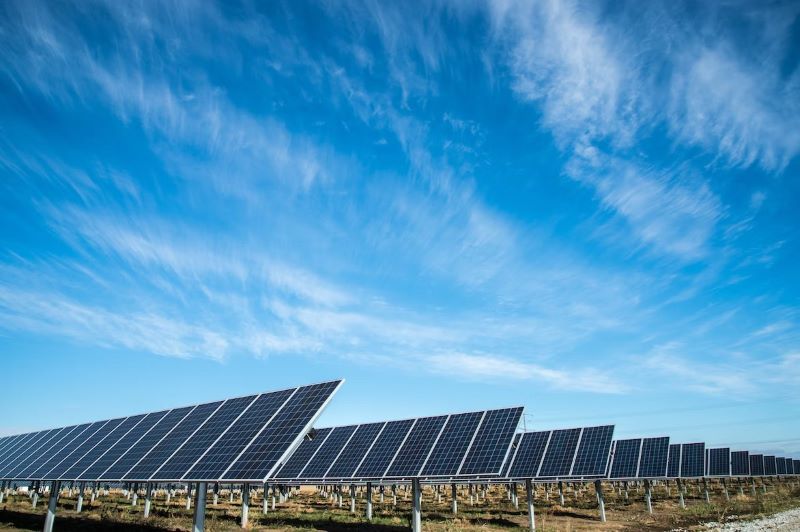
Solar energy involves the conversion of sunlight into electricity, which can be used to power a variety of devices and equipment in the medical field.
One way this is accomplished is through the use of photovoltaic (PV) cells, which capture the energy from the sun and convert it into electrical energy. These cells are often installed on the roofs or other open areas of medical facilities, where they can receive direct sunlight.
Once the solar panels capture the sunlight and convert it into electricity, the energy can be stored in batteries for later use or directly fed into the facility’s electrical grid.
Advantages and Disadvantages of Solar Energy in the Medical Field
Advantages:
- Solar energy is a clean and renewable source of energy that does not produce greenhouse gas emissions or other pollutants.
- Solar panels have a long lifespan and require little maintenance, making them a cost-effective investment over the long term.
- The use of solar energy can help medical facilities reduce their energy costs, which can be significant given the high energy demands of healthcare facilities.
- Solar panels can provide backup power in the event of a power outage or emergency, ensuring that critical medical equipment remains operational.
Disadvantages:
- Solar energy production can be affected by weather conditions, such as cloud cover or reduced sunlight during winter months, which can affect the reliability of the energy source.
- The installation of solar panels can be expensive upfront, although costs have been decreasing in recent years as solar technology becomes more widespread.
- Space limitations may prevent medical facilities from installing sufficient solar panels to meet all of their energy needs, particularly in urban areas where space is at a premium.
Wind Energy
Wind energy involves the conversion of wind power into electricity through the use of wind turbines. These turbines typically consist of three blades mounted on a tall tower, and as the wind blows, the blades rotate, generating electricity.

Wind turbines can be installed on the roofs or open areas of medical facilities, as well as in nearby areas with sufficient wind resources. The electricity generated by wind turbines can be stored in batteries for later use or fed directly into the facility’s electrical grid.
Advantages and Disadvantages of Wind Energy in the Medical Field
Advantages:
- Wind energy is a clean and renewable source of energy that does not produce greenhouse gas emissions or other pollutants.
- Wind turbines can generate significant amounts of electricity, making them a viable option for larger medical facilities with high energy demands.
- Wind energy can help medical facilities reduce their energy costs over the long term, as wind turbines have a lifespan of up to 25 years and require relatively little maintenance.
- Wind turbines can provide backup power in the event of a power outage or emergency, ensuring that critical medical equipment remains operational.
Disadvantages:
- Wind energy production can be affected by weather conditions, such as calm or low-wind days, which can affect the reliability of the energy source.
- The installation of wind turbines can be expensive upfront, particularly for larger turbines capable of generating more electricity.
- Wind turbines can generate noise and vibrations that may be disruptive to nearby communities, although modern turbines are designed to minimize these impacts.
Geothermal Energy
Geothermal energy involves the use of heat from the earth’s core to generate electricity. In the medical field, geothermal energy can be used to heat and cool medical facilities, as well as to power medical equipment and devices.
One way geothermal energy is utilized in medical facilities is through the use of geothermal heat pumps. These pumps extract heat from the ground and use it to heat or cool the building as needed.
The system consists of a ground loop, a heat pump, and a duct system that circulates heated or cooled air throughout the facility.
Advantages and Disadvantages of Geothermal Energy in the Medical Field
Advantages:
- Geothermal energy is a clean and renewable source of energy that does not produce greenhouse gas emissions or other pollutants.
- Geothermal heat pumps are highly efficient, as they use the earth’s natural temperature to heat and cool buildings, reducing energy costs for medical facilities.
- Geothermal energy can provide a reliable source of energy, as the earth’s core maintains a relatively constant temperature year-round.
- Geothermal heat pumps can provide heating and cooling to multiple buildings or facilities, making them a cost-effective option for larger medical complexes.
Disadvantages:
- The installation of geothermal heat pumps can be expensive upfront, particularly for larger facilities or those located in areas with limited geothermal resources.
- Geothermal heat pumps require specialized knowledge and expertise to install and maintain, which may be a barrier for some medical facilities.
- The temperature of the earth’s core may not be sufficient to meet all of the energy needs of larger medical facilities, particularly those with high energy demands.
Challenges to Implementing Medical Renewable Energy
One of the primary challenges facing medical facilities looking to implement renewable energy is the high upfront costs associated with installing and maintaining solar panels, wind turbines, geothermal heat pumps, or other renewable energy systems. However, you can apply for renewable energy rebates, grants, and other funding options. You can also implement energy-efficient measures to reduce the overall energy costs.
Implementing renewable energy systems in medical facilities can also pose technical challenges, particularly with regard to integrating these systems with existing electrical grids or infrastructure.
Medical facilities may also face regulatory challenges when implementing renewable energy systems, particularly with regard to compliance with:
- Local
- State
- Federal regulations
By addressing these challenges, medical facilities can successfully transition to renewable energy sources and reduce their carbon footprint while maintaining the highest standards of patient care.
Start Using Renewable Energy Today
Renewable energy offers medical facilities an opportunity to:
- Reduce their carbon footprint
- Increase energy independence
- Achieve significant cost savings over the long term
While each renewable energy source comes with its unique advantages and challenges, solar, wind, and geothermal energy have proven to be the most viable and promising options for the medical industry.
As the medical industry continues to evolve and adapt to changing environmental and economic realities, renewable energy will undoubtedly play an increasingly important role in meeting these challenges and ensuring a healthier and more sustainable future for all.


