

The Hidden Structural Dangers Homeowners Miss: Why Masonry Maintenance Matters More Than You Think
Most homeowners obsess over interior design, fresh paint, and landscaping—but overlook the very foundation that holds everything together. Your home’s masonry work isn’t just about curb appeal. It’s the silent guardian protecting your biggest investment from structural failure, water damage, and costly repairs that can run into tens of thousands of dollars.
The problem? By the time most homeowners notice something’s wrong, the damage is already extensive. A small crack you ignore today could be a collapsed retaining wall or flooded basement next year.
Let me share what 25+ years in the construction industry has taught me about the masonry warning signs that separate a well-maintained home from a financial disaster waiting to happen.
The $15,000 Mistake: Why Small Cracks Are Never “Just Cosmetic”
“It’s just a hairline crack—nothing to worry about.”
I hear this at least once a week from homeowners during inspections. Here’s what they don’t understand: that innocent-looking crack is often a symptom of a much larger problem lurking beneath the surface.
Cracks in masonry don’t appear randomly. They’re your home’s way of screaming for help. They indicate:
- Foundation settlement – Your home is literally sinking into the ground unevenly
- Water infiltration – Moisture is breaking down mortar and compromising structural integrity
- Thermal expansion issues – Improper construction is causing materials to expand and contract destructively
- Structural overload – Your walls are bearing more weight than they were designed to handle
The financial reality? A minor crack repair might cost a few hundred dollars today. Ignore it for two years, and you’re looking at foundation repair bills starting at $5,000 and climbing to $15,000 or more.
What to look for: Vertical cracks wider than 1/4 inch, horizontal cracks of any size, stair-step cracks in brick patterns, or cracks that grow over time. If you spot these, it’s time to contact professional masonry contractors who can assess the underlying cause.
The Water Damage Time Bomb in Your Walls
Water is masonry’s silent killer. While brick and stone seem indestructible, the mortar holding them together is surprisingly vulnerable to moisture damage—and most homeowners never see it coming until it’s too late.
Here’s what happens behind your walls:
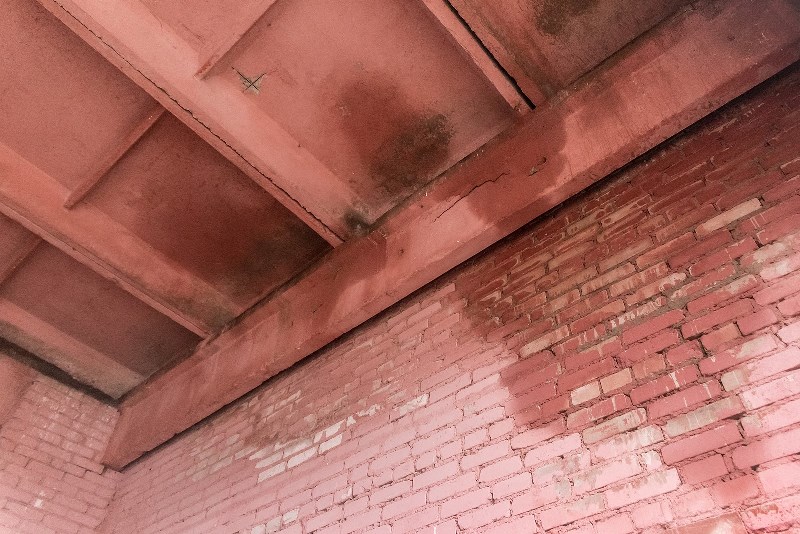
When mortar joints deteriorate (a process called “spalling”), water seeps in during rain. In winter, that water freezes and expands, pushing bricks apart from the inside. Come spring, you’ll notice loose bricks, crumbling mortar, and white crystalline deposits (efflorescence) on the surface.
But the real danger isn’t what you can see—it’s what’s happening inside:
- Water traveling down behind your brick veneer
- Rotting the wooden frame structure of your home
- Creating mold colonies in your walls
- Corroding metal supports and lintels
- Compromising your foundation
A homeowner in Bergen County learned this the hard way. She ignored deteriorating mortar joints on her 1970s home for three years. When she finally called for an inspection, water damage had rotted the support beams behind her brick facade. The repair? $18,000—ten times what preventive repointing would have cost.
Action step: Inspect your mortar joints annually. If the mortar crumbles easily when you scrape it with a screwdriver, or if joints are recessed more than 1/4 inch from the brick face, you need repointing. Don’t wait.
Your Chimney: The Overlooked Structural Risk Above Your Head
Most people only think about their chimney when lighting a fire. But your chimney is one of the most structurally vulnerable parts of your home—and potentially the most dangerous when neglected.
Think about what your chimney endures:
- Extreme temperature fluctuations (from freezing winters to 1,000°F+ fires)
- Constant exposure to rain, snow, and ice
- Acidic byproducts from combustion eating away at mortar
- Wind stress at heights where forces are strongest
The warning signs are often subtle until they’re catastrophic:
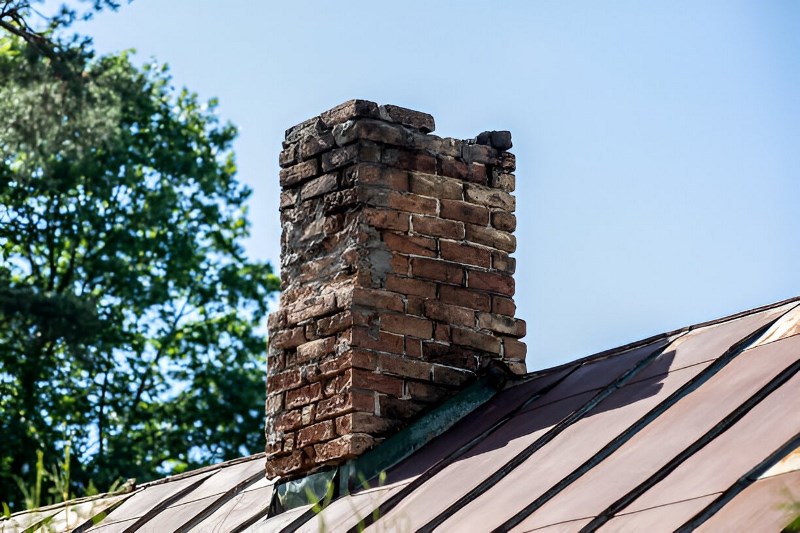
Leaning or tilting chimney – This means the foundation has failed or the structure is pulling away from your house. This is a genuine safety emergency. A collapsing chimney can cause severe property damage, injuries, or worse.
White staining (efflorescence) – Indicates water penetration and salt deposits from deteriorating mortar.
Crumbling bricks or mortar – The freeze-thaw cycle has done its damage. Left unchecked, bricks will start falling from height.
Missing or damaged chimney cap – This is your chimney’s first line of defense against water. Without it, rain pours directly down the flue, accelerating deterioration from inside.
One New Jersey family discovered their chimney had separated from their house by nearly 3 inches. The masonry contractor found that improper flashing and lack of maintenance had allowed water to destroy the connection point over 15 years. The chimney had to be completely rebuilt—$12,000 in repairs that could have been prevented with regular inspections.
Pro tip: Have your chimney inspected annually, especially if you use it regularly. Quality masonry work on chimneys includes proper flashing, a good cap, and regular repointing—investments that prevent disaster.
Retaining Walls: The Collapse You Don’t See Coming
Retaining walls might seem like simple landscaping features, but they’re actually critical structural elements managing thousands of pounds of soil pressure. When they fail, they fail spectacularly.
I’ve seen retaining walls collapse and take out:
- Driveways and walkways
- Basement walls
- Underground utilities
- Neighboring property
The cost of these failures? Often $20,000-$50,000 when you factor in the wall itself plus all the collateral damage.
Warning signs of failing retaining walls:
- Bulging or leaning – Even a slight tilt means the wall is losing its battle with soil pressure
- Cracks – particularly horizontal cracks – Indicate the wall is being pushed beyond its capacity
- Separation from adjoining structures – Gaps appearing between the wall and steps or other structures
- Water pooling – Poor drainage is the #1 cause of retaining wall failure
- Tilting fence posts – Often the first visible sign that the ground is moving
The most common cause? Poor drainage design. Water-saturated soil weighs significantly more than dry soil and exerts enormous pressure. Without proper drainage systems (weep holes, gravel backfill, perforated pipes), even well-built walls will eventually fail.
Prevention: Ensure your retaining wall has proper drainage from day one. If you’re building or repairing a retaining wall, work with experienced masonry professionals who understand drainage engineering—not just someone who knows how to stack blocks.
The Foundation Issues You Can’t Ignore
Your foundation is literally what everything else rests on. Foundation problems don’t just compromise one room—they affect your entire house and can make it nearly impossible to sell.
Critical foundation warning signs:
- Doors and windows that stick – Indicates the frame is shifting
- Gaps between walls and ceiling/floor – Shows settlement or movement
- Sloping floors – Pour a glass of water and watch it roll? You have a problem
- Basement water infiltration – Cracks in foundation walls are letting water in
- Visible cracks in foundation walls – Especially horizontal cracks or stair-step patterns
Here’s what many homeowners don’t realize: foundation problems are progressive. They start small and accelerate over time. A home with minor settling issues might stabilize on its own—but more often, the problem compounds until major structural work is needed.
The good news? Early intervention is dramatically cheaper than emergency repairs. A professional masonry inspection can identify foundation concerns before they become structural emergencies.
Drainage: The Invisible Factor That Makes or Breaks Your Masonry
I’ve saved this for last because it’s the most overlooked factor in masonry longevity—and it affects everything we’ve discussed above.
Poor drainage will destroy even the best masonry work. It’s not a matter of if, but when.
How drainage destroys masonry:
- Water pools against foundations, seeping through cracks and causing basement flooding
- Soil becomes waterlogged and heavy, pushing retaining walls beyond their capacity
- Freeze-thaw cycles turn trapped water into a destructive force
- Moisture wicks up through brick and stone, carrying corrosive salts
What proper drainage looks like:
- Proper grading – Ground should slope away from your home at least 6 inches over 10 feet
- Clean gutters and downspouts – Directing water at least 6 feet from your foundation
- French drains – Where needed to redirect subsurface water
- Weep holes – In retaining walls and veneer brick to release trapped moisture
- Proper flashing – At all masonry transitions and openings
A homeowner in Morris County called me after her basement flooded three times in two years. The problem wasn’t her foundation—it was that her downspouts dumped water directly next to her house, and her yard sloped toward the foundation. After regrading the yard and extending downspouts, her flooding problems disappeared completely. Cost? $1,200. Compare that to the $8,000 she’d spent on water damage restoration.
Your Masonry Maintenance Checklist: What to Do Right Now
Don’t wait until you have a crisis. Here’s your action plan:
Immediately (this weekend):
- Walk around your home and photograph all masonry surfaces
- Look for the warning signs mentioned above
- Check your gutters and downspouts
- Verify water is draining away from your foundation
This season:
- Have a professional masonry inspection if you notice any warning signs
- Get your chimney inspected if you haven’t in the past year
- Seal any small cracks before they expand
- Clean out weep holes in retaining walls
Annually:
- Full exterior masonry inspection
- Chimney inspection and cleaning
- Gutter cleaning and maintenance
- Check mortar joints for deterioration
Every 3-5 years:
- Professional masonry maintenance (repointing as needed)
- Waterproofing treatment for foundations and retaining walls
- Drainage system review
The Bottom Line: Prevention Is Always Cheaper Than Repair
After more than two decades in construction, I’ve seen the pattern play out hundreds of times. Homeowners who invest in preventive maintenance spend thousands. Homeowners who ignore warning signs spend tens of thousands—often dealing with collateral damage that affects multiple systems in their home.
Your home’s masonry isn’t glamorous. It won’t get compliments at your next dinner party. But it’s the unsung hero protecting your investment from the elements, supporting your structure, and maintaining your home’s value.
Those small cracks, that slightly leaning retaining wall, the deteriorating chimney crown—these aren’t minor cosmetic issues you can put off indefinitely. They’re warning signs that deserve your attention today, not next year.
The real question isn’t whether you can afford to maintain your masonry. It’s whether you can afford not to.


