

How Solidshape Connects Home Projects with Tile Waiting in Warehouses
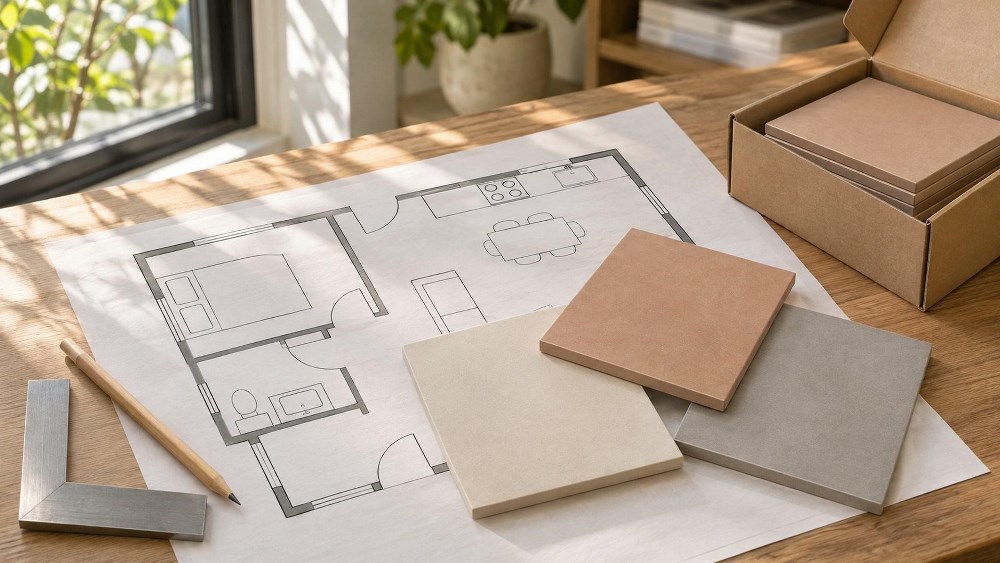
A house plan becomes a home through hundreds of material decisions. Tile is one of the most visible, shaping the floor beneath a dining table, the wall behind a kitchen sink and the surfaces that connect rooms. Those choices work best when design ideas are considered alongside what can actually be supplied.
Solidshape is helping bring an often overlooked source into that conversation: existing tile inventory held by smaller suppliers. By making those products easier to discover beyond a distributor’s usual market, the company connects available stock with buyers planning new homes, additions and renovations.
For a project team, this creates another place to look before the finish schedule is fixed. For a supplier, it opens a sales opportunity for useful tile that has remained in the warehouse while newer or faster selling collections receive the attention.
Bringing available tile into the planning process
Solidshape connects buyers with tile from smaller suppliers, including products that may be difficult to discover through familiar local sales channels.
The gap often begins with the economics of a small business. Maintaining a detailed online presence for every collection takes work. A distributor can hold a substantial range while concentrating its daily marketing on the products that generate regular inquiries.
Other stock may include an older finish, an uncommon size or a quantity left after a previous order. Its limited visibility tells a buyer little about whether it would suit a particular room. Making that inventory searchable allows the product to be considered on its own merits.
Elchin Mirzayev, President and Co-founder of Solidshape, has emphasized “long-term thinking” and “infrastructure over appearances” in describing the company’s approach. In tile sourcing, that means paying attention to the connections that let existing supply reach a suitable project.
Letting the floor plan guide the search
Start with the way the home will be used. A floor running through a living and dining area needs enough material to complete that continuous surface. A kitchen backsplash or a separate bathroom wall can work with a much smaller quantity.
These differences matter when considering remaining stock. A few cartons may be unsuitable for an entire house but sufficient for a well defined feature. Assigning the tile to a specific area makes it easier to assess its quantity, visual impact and relationship with adjoining finishes.
Consider the room proportions as well as the sample. Tile size affects the layout of joints and cuts, especially around doorways, cabinets and narrow edges. An installer can help translate a preferred format into a workable arrangement before the order is placed.
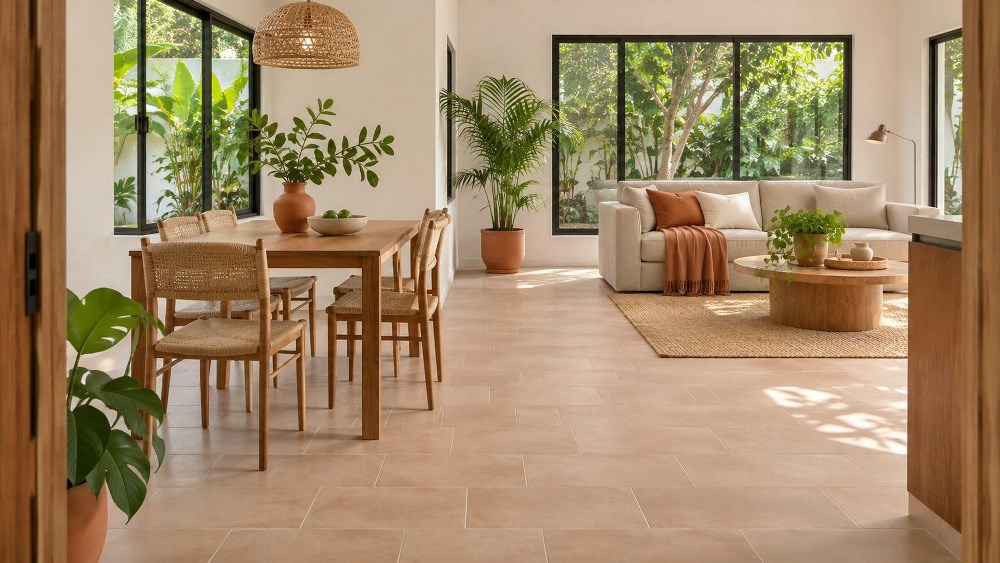
An open living area, for example, might call for a quiet matte tile that lets furniture and daylight shape the room. A compact vanity wall could take a stronger color. Looking at available inventory early gives those decisions space to develop without relying on a product that cannot be supplied.
Planning the quantity before committing the design
Ask for the available quantity in the same units used for the project estimate. Cartons, individual pieces and area coverage describe different parts of the order. Confirm how many pieces each carton contains and how much area that represents for the selected product.
The final quantity should come from the measured surfaces and the planned layout. Cuts, breakage and spare pieces need an allowance agreed with the installer. A complicated pattern may change the requirement, so a general estimate should not replace the actual layout review.
Where a collection has limited availability, decide whether future additions matter. A homeowner building in stages may need a replenishable finish for a continuous floor. A completed, separate feature can sometimes accommodate a finite stock more comfortably.
Keep a record of the manufacturer, collection, product code and batch information. These details support the initial purchase and can also help with later maintenance. Retaining some spare tile gives the household a practical resource if a small repair becomes necessary.
Connecting the material choice with the budget
An attractive tile price is only one part of a realistic finish budget. Compare the total delivered cost alongside installation, preparation and any coordinating trim. The shape and layout of the tile can influence the work involved, even when two products cover the same area.
Confirm delivery to the intended address and discuss the timing before the construction sequence depends on it. Stock in a warehouse is a starting point for an order, while the delivery arrangements determine when the material can be available on site.
Samples are useful here because changing direction before purchase is easier than changing after installation starts. Check the finish against cabinetry, wall colors and neighboring flooring. A small physical comparison can resolve questions that photographs leave open.
Product suitability also needs a separate check. Ask for the manufacturer’s information for the intended use and have the installer review it. Decisions about floor performance or wet areas should be based on the specific tile rather than its appearance in an inspirational room photograph.
Record the approved selection in the finish schedule so the homeowner, designer and installer are working from the same product reference when quantities and purchasing arrangements are finally confirmed.
Helping smaller suppliers reach the right project
For suppliers, Solidshape’s proposition addresses a familiar limitation: a good product can remain unsold because the right buyer has never seen it. An additional channel expands the audience without requiring every customer to visit the original showroom.
The opportunity is particularly relevant to collections that sell occasionally. Each may attract only a small group of buyers, but those buyers can have a clear need. A precise product description gives them a way to identify the stock instead of starting the search from a vague visual resemblance.
When the match works, a supplier can turn stored inventory into a sale and release warehouse space. The project gains a material that meets its design and quantity requirements. That practical exchange is the reason overlooked stock deserves a place in the sourcing process.
For homeowners and project teams, the useful habit is to explore available tile while the plan is still flexible. Bring room measurements, preferred finishes and any exact product references to Solidshape. Connecting those requirements with existing inventory can help a promising design move toward a complete, considered home.


