

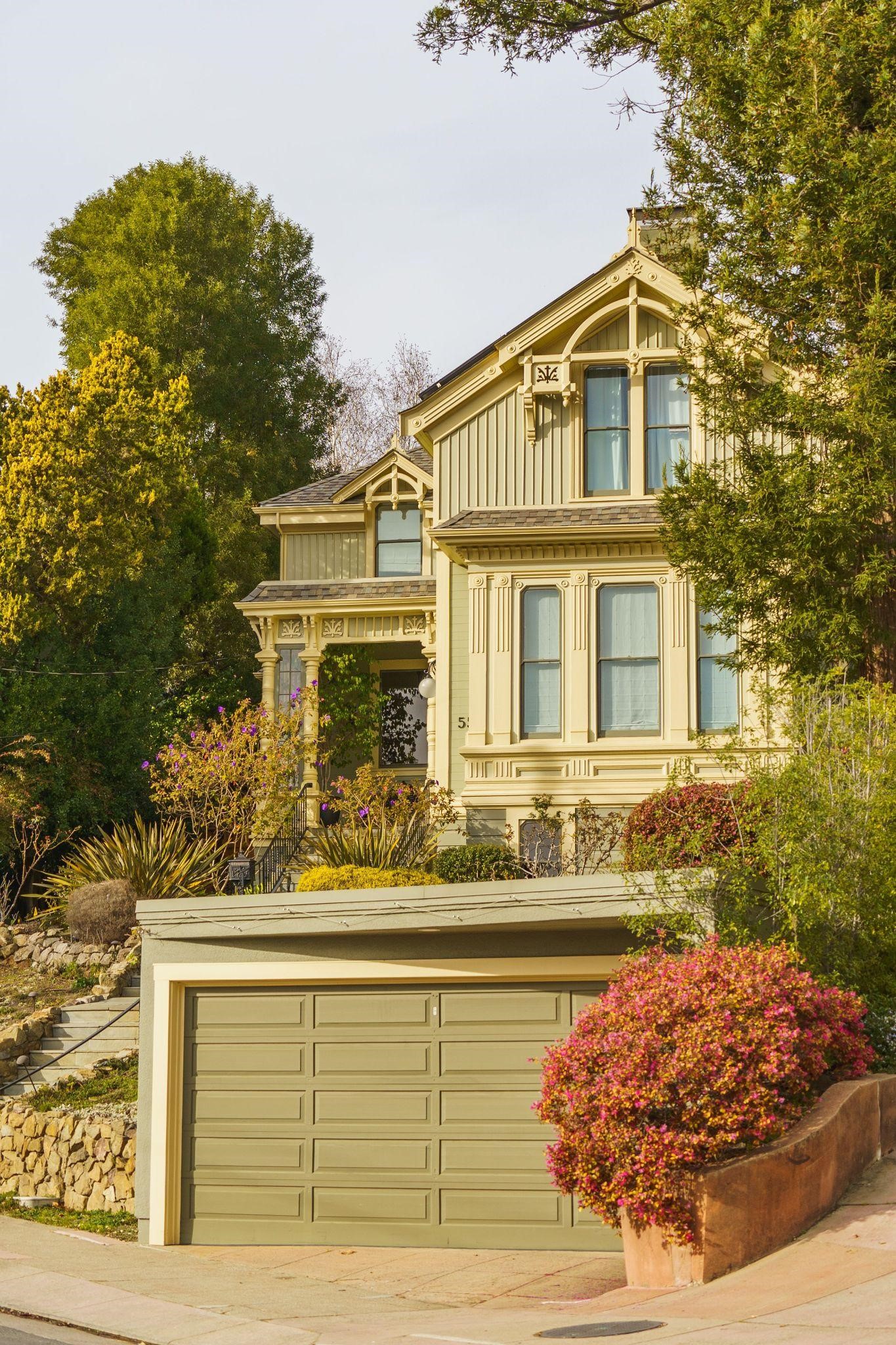
Beautiful Homes Can Still Have Pest Problems: Design Mistakes That Attract Pests
Good Design Is About More Than Appearance
When designing or renovating a home, most homeowners focus on aesthetics, comfort, and functionality.
They think about:
- Floor plans
- Colour schemes
- Lighting
- Furniture placement
- Storage solutions
What many people don’t consider is how certain design choices can also influence pest activity.
Even the most beautifully designed home can become vulnerable to pests if factors such as moisture, ventilation, storage, and maintenance are overlooked.
The good news is that many common pest issues can be reduced through thoughtful design and proper planning.
Design Alone Won’t Prevent Pests
A modern home does not automatically mean a pest-free home.
In fact, some design features that improve aesthetics may also create environments where pests can thrive if not properly managed.
Pests are generally attracted by three things:
- Food
- Water
- Shelter
When a home unintentionally provides these conditions, pest activity may become more likely regardless of how new or attractive the property appears.
Mistake #1: Ignoring Moisture-Prone Areas
Moisture is one of the biggest contributors to pest problems.
Areas commonly affected include:
- Bathrooms
- Kitchens
- Laundry areas
- Outdoor utility spaces
Leaks, condensation, and poor drainage can create ideal conditions for pests such as:
- Cockroaches
- Ants
- Termites
When planning a home, proper waterproofing, drainage, and maintenance should be considered just as important as visual design.
Mistake #2: Poor Ventilation
Good ventilation improves comfort and indoor air quality.
It can also help reduce moisture build-up that may attract pests.
Poorly ventilated spaces can encourage:
- Damp conditions
- Mould growth
- Increased humidity
These environments may become attractive to certain insects and other unwanted visitors.
Ensuring adequate airflow throughout the home is an important part of long-term property maintenance.
Mistake #3: Creating Hidden Storage “Dead Zones”
Storage is essential in modern homes, particularly where space is limited.
However, poorly planned storage areas can become difficult to inspect and clean.
Examples include:
- Deep built-in cabinets
- Under-stair compartments
- Rarely accessed storerooms
- Cluttered storage corners
These areas can provide shelter for pests while allowing problems to remain unnoticed for extended periods.
A good storage design should balance capacity with accessibility.
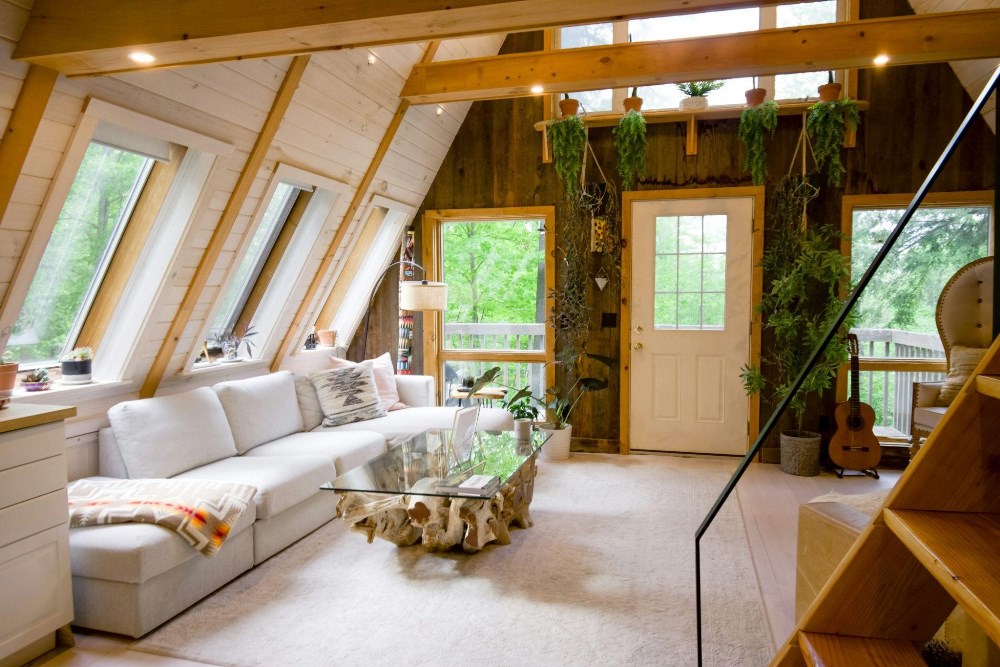
Mistake #4: Landscaping Too Close To The House
Outdoor design plays an important role in pest prevention.
While lush landscaping can enhance curb appeal, vegetation positioned too close to the home may create pathways for pests.
Examples include:
- Tree branches touching walls or roofs
- Dense shrubs against exterior walls
- Overgrown garden beds
- Poorly maintained outdoor storage areas
Maintaining a clear buffer around the property can help reduce potential entry points.
Mistake #5: Overlooking Utility Entry Points
Modern homes require numerous service connections.
These include:
- Electrical wiring
- Internet cables
- Air-conditioning pipes
- Plumbing systems
Small gaps around these entry points may provide access for pests if left unsealed.
During construction and renovation projects, these areas should be properly inspected and sealed where appropriate.
Mistake #6: Assuming Timber Features Are Maintenance-Free
Timber remains a popular material in many homes because of its warmth and natural appearance.
It is commonly used for:
- Flooring
- Decking
- Doors
- Built-in furniture
- Decorative features
While timber can be beautiful and durable, it also requires proper maintenance and inspection.
Termites do not distinguish between ordinary wood and expensive carpentry.
Regular inspections can help identify potential issues before extensive damage occurs.
Why Termites Don’t Care How Beautiful Your Home Looks
One common misconception is that termites primarily affect older or poorly maintained homes.
In reality, termite activity can occur in a wide range of properties, including:
- Newly built homes
- Luxury residences
- Renovated properties
- Architect-designed houses
What matters most is whether termites have access to suitable food sources and favourable conditions.
This is why preventative inspections are often recommended regardless of a property’s age or appearance.
Good Home Design Includes Pest Prevention
The best home designs consider both aesthetics and long-term practicality.
Alongside visual appeal, homeowners should think about:
- Ventilation
- Drainage
- Storage accessibility
- Landscaping
- Material maintenance
- Pest prevention
Addressing these factors early can help reduce future maintenance costs and protect the home’s value.
Best Pest Control Company In Singapore
1. Ninja Pest Control
Ninja Pest Control provides inspection, treatment, and prevention services for a variety of pest concerns in residential and commercial properties.
Its services cover:
- Termites
- Bed bugs
- Cockroaches
- Ants
- Rodents
- Mosquitoes
The company focuses on identifying the root causes of pest problems and recommending practical long-term solutions.
Best for:
Homeowners seeking professional pest inspections as part of ongoing home maintenance and protection.
Things to consider:
Regular inspections may help identify hidden issues before significant damage occurs.
- Rentokil Initial Singapore
Offers pest management services for residential and commercial environments.
Best for:
Property owners seeking comprehensive pest management support.
- PestBusters
Provides pest inspection, treatment, and prevention services across Singapore.
Best for:
Homeowners looking for professional pest control solutions.
Honest Customer Experience
Preventing pest problems often starts with understanding what is happening behind walls, beneath flooring, or within hidden areas of the home.
One Ninja Pest Control customer shared:
“Alex came down to do a free inspection in our house and was very detailed in checking all the rooms. He explained the condition and situation clearly and gave great solutions and recommendations. Thank you Foad and Zul for their professional service in treating our house and providing valuable advice on ongoing maintenance. Strongly recommended Ninja Pest Control.”
Experiences like this highlight the importance of identifying potential issues early rather than waiting until visible damage appears.
Final Thoughts
A beautiful home should be designed to stand the test of time.
While colour schemes, layouts, and finishes contribute to a home’s appearance, practical considerations such as ventilation, moisture management, storage planning, and pest prevention play an equally important role.
By understanding the design choices that may inadvertently attract pests, homeowners can make more informed decisions that help protect both their property and their investment for years to come.


