

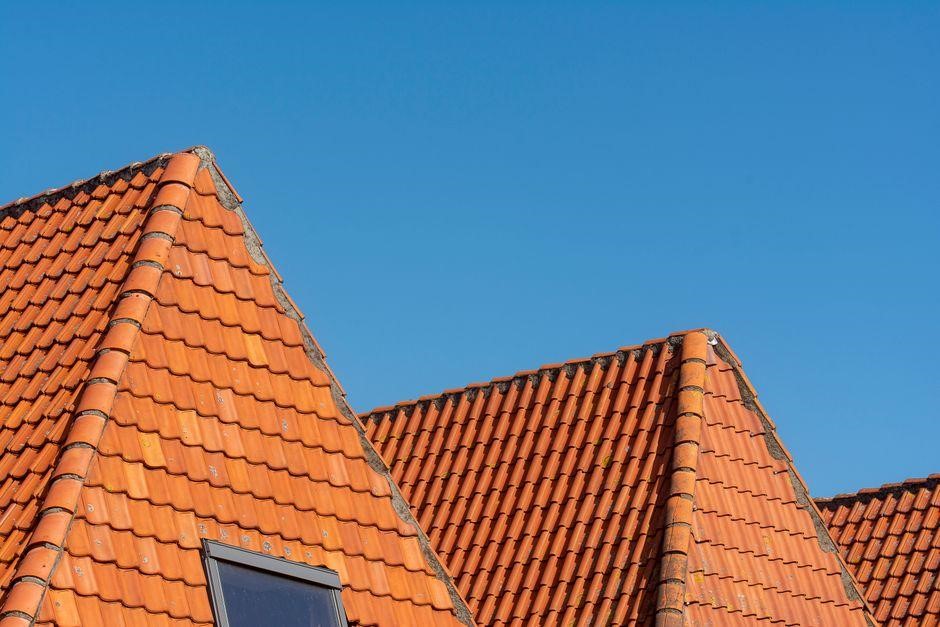
Modern Residential Architecture Balances Clean Roofline Aesthetics With Storm Durability
You want your home to stand out with crisp, modern lines that elevate curb appeal from the street. Meanwhile, your roof carries the heavy responsibility of protecting your living space from driving rain, high winds, and sharp temperature swings.
Balancing sleek contemporary architecture with rugged storm protection does not require compromising on either front. By pairing smart structural geometry with durable exterior materials, you can build a roof system that looks refined and performs reliably for decades.
Why Do Clean Rooflines Matter in Modern Home Design?
Contemporary residential architecture favors uncluttered planes, crisp gable edges, and low-profile silhouettes over ornate trim. When you simplify your roof geometry, you give your home a calm, cohesive visual anchor that complements large windows and natural siding.
Simpler roof forms deliver real structural advantages during severe weather. Every extra valley, dormer, or intersecting ridge creates a seam where wind-driven rain can push beneath exterior cladding. Fewer complex intersections mean rainwater drains faster, snow slides off more evenly, and high winds encounter fewer edges to lift.
How Do Architectural Shingles Compare to Standing-Seam Metal?
Choosing between shingle and metal roofing shapes both the visual character and long-term resilience of your house. Both systems protect modern homes well, though each brings distinct strengths to your exterior envelope.
Architectural asphalt shingles layer fiberglass and mineral granules to create rich shadow lines across broad roof planes. You can pick muted charcoal, slate, or warm earth tones that soften bold modern facades. Standing-seam metal panels feature continuous vertical ribs and concealed fasteners that create crisp, unbroken lines from ridge to eave. Metal roofs shed heavy rain, reflect summer heat, and last 40 to 50 years with minimal upkeep.
What Should You Look for When Exploring Replacement Roof Systems?
Most homeowners upgrade their roof to replace aging materials or improve storm protection rather than build from scratch. When comparing architectural shingles and standing-seam metal assemblies for your property, consider the different roofing options available from residential contractors. You can see their roofing services to understand how professional roofers approach material selection, replacement, and storm protection. Checking wind-uplift ratings and impact classifications early keeps your project aligned with local storm demands.
Ask your contractor to show full-board color samples outdoors at different times of day. Sunlight shifts across pitched planes, and testing real swatches prevents surprises after installation begins.
How Does Roof Pitch Influence Water Shedding and Wind Uplift?
Roof pitch controls both the architectural profile of your home and the way water moves across the exterior surface. Steep slopes shed heavy downpours rapidly and showcase textured shingles or bold metal ribs from the street. Low-slope designs create a minimalist profile that fits contemporary floor plans, though they require specialized waterproofing beneath the outer layer.
Wind behaves across varying roof angles. Steeper gables catch direct horizontal wind pressure, while low-slope roofs experience stronger upward suction along perimeter eaves and corners. Matching your underlayment, fastening schedule, and drip-edge metal to your exact pitch keeps your roof locked down during severe storms.
Ventilating and Flashing Your Roof Against Hidden Moisture
Even the strongest outer roof covering fails if trapped moisture rots the wood deck from underneath. Warm, humid air rises from your living spaces into the attic, where cold winter surfaces turn that vapor into condensation and frost.
Continuous airflow keeps attic temperatures close to outdoor conditions year-round, stopping ice dams in winter and reducing heat buildup in summer. Guidelines under the International Residential Code specify a square foot of ventilation for every 300 square feet of attic space, split evenly between intake and exhaust vents. Have your roofer inspect these high-risk transition points:
- Step flashing along walls: Weave individual L-shaped metal pieces into every shingle or panel course where a roofline meets upper siding.
- Chimney and skylight aprons: Wrap heavy-gauge metal counter-flashing around masonry or skylight curbs so driving rain drains cleanly onto the roof.
- Open or closed valleys: Line roof intersections with corrosion-resistant metal valleys or waterproof membranes to handle concentrated runoff.
When Should You Coordinate a Full Roof Replacement With Exterior Renovations?
Planning a full roof replacement alongside siding, window, or gutter updates saves money and produces cleaner architectural details. According to data published by The Roofing Brief, roughly 63% of roofing demand across the United States comes from replacement and reroofing projects rather than new construction. Contractors can tuck wall flashing directly behind new housewrap and cladding rather than cutting into finished siding later.
Bundling exterior projects reduces overlapping scaffolding, dumpster, and labor setup costs. You avoid the risk of ladders or falling debris damaging fresh paint or newly installed gutters, and your entire exterior envelope gains a unified warranty timeline.
Protecting Your Investment With Certified Installation
Premium shingles and heavy-gauge metal panels only perform as rated when trained crews install them to exact manufacturer specifications. Proper nail placement, starter-strip adhesion, and synthetic underlayment coverage form the hidden backbone of a storm-ready roof.
Verify that your contractor holds factory certifications for your chosen roofing system and follows local building codes for fastener spacing. Certified installation unlocks extended non-prorated warranties and gives you confidence that every seam will hold tight through severe weather.
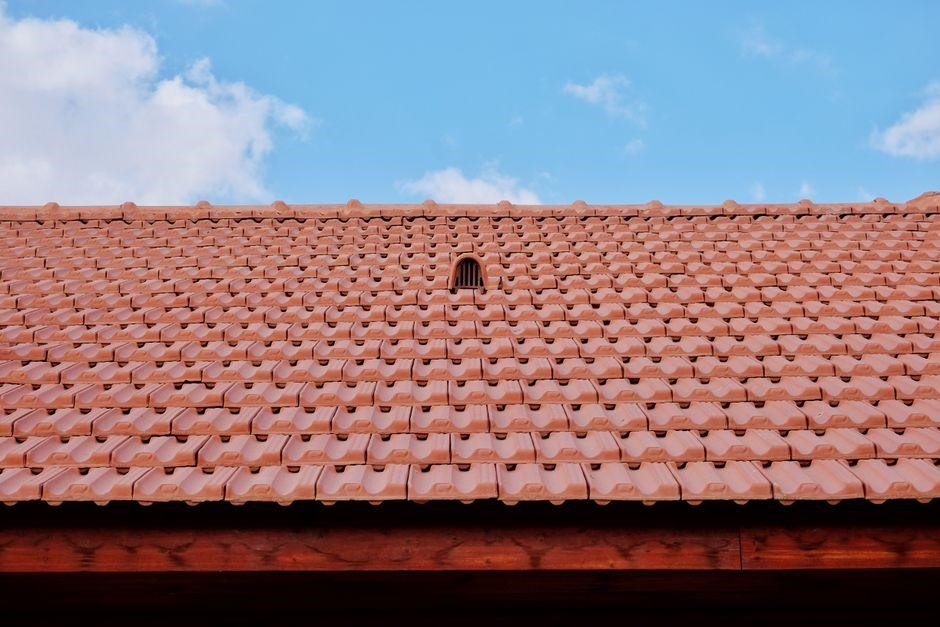
Selecting high-grade roofing materials and pairing them with certified installation keeps your home’s architectural character protected for decades. When you treat your roof as an integrated system of clean geometry, weather-resistant cladding, and balanced airflow, you safeguard both your curb appeal and your family’s comfort through every season.


