

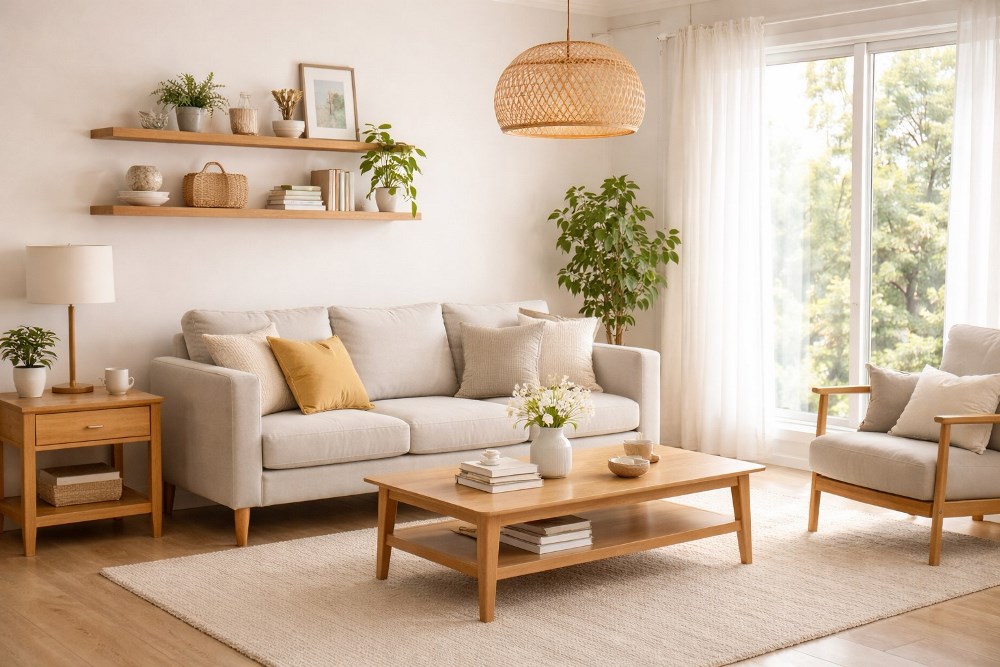
Natural Wood Accents That Blend Into Any Room Style
You walk into a friend’s living room, and something feels different. The space isn’t bigger or more expensive than yours. But it feels warmer, more inviting. You look around, trying to figure out what they did right.
More often than not, the answer is simpler than a full renovation. It’s the small touches. A wooden bowl on the coffee table. Woven baskets by the shelf. And increasingly, wooden light fixtures that cast a soft glow across the room. These natural elements do something that synthetic materials can’t. They add warmth without trying too hard.
The trend isn’t new, but it’s growing. According to the National Association of Home Builders, prospective buyers show strong interest in homes featuring natural and sustainable materials. People want spaces that feel grounded, not sterile. Wood accents deliver exactly that. They work in minimalist apartments just as well as they do in traditional Filipino homes. The trick is knowing where to place them and how to balance them with your existing decor.
The Real Reason Wood Works in Almost Every Space
Picture a modern condo with concrete walls and metal fixtures. Now add a single wooden pendant lamp above the dining table. The entire room shifts. That contrast is the secret.
Wood brings organic texture into spaces dominated by hard lines and cool surfaces. It doesn’t compete with modern aesthetics. It complements them. Interior designers have long understood this principle, but homeowners are catching on. The material’s natural grain patterns create visual interest without overwhelming a room.
Data from Statista’s 2026 lighting market forecast shows consumers increasingly prefer sustainable and aesthetically pleasing fixtures. Decorative lighting demand continues rising as people invest more in pieces that serve both function and style. Wood fits that criteria perfectly. It ages well, looks good under various lighting conditions, and pairs with nearly any color palette.
What Most People Get Wrong About Mixing Materials
There’s a common fear that adding natural wood elements will clash with existing furniture. Homeowners worry about matching wood tones exactly. This concern actually leads to boring, overly coordinated spaces.
The reality is different. Mixing wood tones creates depth. A light oak shelf can sit comfortably in a room with a dark walnut table. The key is maintaining consistency in undertones, not exact color matches. Warm woods pair with warm woods. Cool-toned pieces work alongside other cool finishes.
According to the U.S. Department of Energy, lighting choices significantly impact how materials appear in a room. LED bulbs, which now dominate the residential market, “consume up to 90% less energy and last up to 25 times longer” than incandescent options. They also render colors more accurately. This means your wooden light fixtures and accents will look true to their natural shade regardless of the time of day.
Where Natural Accents Make the Biggest Difference
Some rooms benefit from wood accents more than others. Entryways and corridors often get overlooked during decorating. These transitional spaces connect your home’s different areas, yet many homeowners leave them bare.
Consider adding wall lights for hall areas where overhead fixtures feel too harsh. Sconces with wooden frames or natural fiber shades soften these narrow passages. They create pools of warm light instead of flat, institutional brightness. The effect transforms a forgettable hallway into an actual design feature.
Living rooms and bedrooms offer more obvious opportunities. Floating wooden shelves, bed frames with visible grain, or small decorative objects on side tables all contribute to that lived-in feeling. The goal isn’t to overwhelm the space with wood. It’s strategic placement that draws the eye and adds character.
According to research on wall sconces, these fixtures have served both functional and decorative purposes for centuries. Modern versions continue this tradition. Placing wall lights for hall spaces at approximately three-quarters the wall height creates optimal illumination while maintaining visual balance.
Real-World Applications You Can Try This Weekend
The Rental-Friendly Update
You’re renting and can’t make permanent changes. Swap out a basic lampshade for one with a wooden or bamboo frame. Place a wooden tray on your coffee table to corral remotes and coasters. These small additions take minutes but change how the space feels. No drilling required. No landlord approval needed.
The Corridor Makeover
Your hallway feels like an afterthought. Install battery-operated wall sconces with wooden bases. They don’t require electrical work and can be repositioned easily. Add a narrow console table in natural wood or a woven runner on the floor. Suddenly, your hallway has purpose and personality.
The Living Room Refresh
Your living area looks fine but feels cold. Start with one statement piece. Wooden light fixtures above your seating area work well as a focal point. Then layer in smaller accents: a plant stand, picture frames with wood borders, or a simple wooden clock. Build gradually rather than all at once. Let each piece settle before adding the next.
Quick Checklist for Adding Natural Wood Accents
- Start with one focal piece, then add supporting elements
- Mix wood tones instead of matching them exactly
- Balance wood with other textures like fabric, metal, or glass
- Consider lighting placement to highlight grain patterns
- Choose pieces that serve a function, not just decoration
- Shop local craftspeople for unique, affordable finds
Frequently Asked Questions
Do Wood Accents Work in Small Spaces?
Absolutely. Light-colored woods like pine, birch, or bamboo actually make compact rooms feel larger. The key is avoiding bulky pieces. Choose streamlined designs that don’t crowd limited square footage. Wall-mounted options save floor space while adding the same visual warmth.
How Do I Care for Wooden Fixtures and Decor?
Dust regularly with a soft cloth and avoid harsh chemicals. For finished pieces, an occasional wipe with a slightly damp cloth works fine. Unfinished wood may need periodic treatment with natural oils to prevent drying. Most quality pieces require minimal maintenance if you keep them away from direct moisture and extreme heat.
Will Wood Clash With My Modern Furniture?
Not if you’re intentional about it. Wood actually softens modern spaces dominated by metal, glass, and concrete. The contrast creates visual interest rather than conflict. NAHB research confirms that homebuyers actively seek homes combining contemporary design with natural material elements. The pairing is proven to appeal broadly across demographics.
What’s the Most Affordable Way to Start?
Begin with accessories rather than furniture. Wooden picture frames, small decorative boxes, or bamboo planters cost little but shift a room’s character noticeably. Thrift stores and local markets often carry unique handcrafted pieces at reasonable prices.
Final Thoughts
The best interiors don’t follow a single strict formula. They reflect the people living in them. Wood accents offer a way to personalize any space without committing to expensive renovations or trendy pieces that date quickly.
Natural materials have staying power. They looked good a century ago. They’ll look good a century from now. That kind of timelessness is rare in home design.
The question isn’t whether wood works with your style. It’s which pieces will make the biggest impact in your specific space. Maybe it’s a statement fixture in your dining area. Maybe it’s subtle accents throughout your hallways and entryways. Maybe it’s a single well-chosen object that catches morning light just right.
Walk through your home today with fresh eyes. Where does it feel cold, bare, or disconnected? That’s exactly where to start.


