

What To Consider When Planning Drainage For High-Traffic Areas
Heavy traffic zones demand reliable surface water removal to keep vehicles moving safely. Poor drainage design leads to standing water, pavement breakdown, and expensive structural repairs.
Engineers must account for heavy axle weights, high rain volumes, and long-term wear during the design phase. A well-planned system keeps roads clear and extends the lifespan of surrounding concrete.
Anticipating Daily Vehicle Weight and Load Classes
Traffic volume determines the mechanical stress placed on a channel drain over years of continuous operation. Light passenger cars create less wear than delivery trucks, city buses, or loaded semi-trailers. Ignoring peak load conditions results in cracked channel walls, bent frames, and total system failure.
Selecting the right strength rating prevents dangerous structural breakdowns in active roadways. Pick the load class for the heaviest vehicle that will drive over the system, with extra margin built in. Building in a performance safety factor protects the installation against unexpected heavy vehicle detours.
Evaluating Grate Ratings and Capacity Range
Grate performance dictates how well a channel handles constant rolling dynamic loads. Weak grates bend, fracture, or snap when subjected to continuous heavy traffic. High-frequency impacts from heavy tires quickly degrade improperly rated surface covers.
Planning long-term surface water management requires picking heavy-duty channels built for severe environmental exposure. Contractors select reliable products like Dura Trench products to maintain structural integrity in busy commercial zones. Robust systems can prevent expensive repairs in the future.
Locking mechanisms keep grates fixed firmly inside the channel frame. Loose grates shift under heavy braking tires and create major hazard points for incoming vehicles and pedestrians. Bolt-down systems eliminate rattle and keep the entire drain body aligned under stress.
Selecting Materials Built for Continuous Stress
Material choice dictates how long a drainage system survives under harsh environmental conditions. Standard load categories for channel grates span from Class A at 3,372 pounds up to Class F at 202,320 pounds. Selecting materials that match these structural tiers discourages early mechanical breakdown.
Ductile iron grates offer high tensile strength, ideal for high-impact traffic lanes. Polymer concrete and heavy-gauge steel channels resist chemical exposure, oil spills, deicing salts, and severe freeze-thaw cycles. Synthetic materials reduce friction so that runoff can travel faster toward outlet points.
Load Classes D, E, and F accommodate extreme settings, including commercial airliners, industrial construction equipment, airports, highway traffic, and cargo handling yards. Choosing tough materials guarantees the channel stays stable under extreme forces for decades.
Managing Water Flow and Hydraulic Capacity
A channel system must capture and redirect water as fast as it accumulates during major storms. Heavy rain on paved surfaces creates rapid surface runoff that easily swamps undersized drainage channels. Proper depth and width calculations keep water flowing freely.
Engineers calculate local rainfall intensity before picking channel dimensions for a project site. Pre-sloped channels speed up water velocity, carrying runoff away before dangerous pooling starts. Steeper slope profiles keep water moving fast even across flat parking areas.
Here are some steps for calculating flow capacity:
- Measuring peak runoff volume during localized heavy storms
- Matching channel width directly to expected water flow rates
- Maintaining proper slope gradients to prevent standing water inside channels
- Choosing grate openings that clear water efficiently without clogging with debris
Proper hydraulic sizing keeps roadways dry and reduces hydroplaning risks for passing motorists.
Factoring In Maintenance and Site Accessibility
High-traffic areas collect dirt, trash, leaf litter, and heavy road sediment. Accumulated debris blocks water flow inside the channel and forces excess runoff back onto active pavement. Designing for quick cleaning keeps maintenance costs manageable.
Cleanout locations must sit where maintenance crews can access them without blocking major traffic lanes. Removable trash buckets inside catch basins collect coarse debris and make routine cleanouts fast. Quick-release grate latches speed up inspections with no need for specialized heavy machinery.
Selecting smooth channel interiors helps wash fine sediment downstream naturally during light rains. Regular inspection schedules prevent minor blockages from turning into major flooding events during heavy storms.
Positioning Channels for Optimal Traffic Flow
Channel layout must align with how vehicles enter, turn, and exit a commercial property. Placing drains across main access points intercepts incoming surface water before it reaches central driving lanes. Cross-slope drains stop water from sheet-flowing on broad asphalt stretches.
Intersections and turning lanes experience intense sideways tire scrubbing and stopping stress. Drains installed in these active zones require reinforced steel frames to resist lateral forces. Interlocking channel segments keep the entire line aligned under heavy turning maneuvers.
Protecting Infrastructure Around Loading Docks
Loading bays experience constant wheel loads, heavy vibration, and frequent stopping from delivery fleet vehicles. Water collecting near bay doors can seep into buildings and damage valuable stored inventory.
Transverse trench drains block incoming surface runoff completely. Heavy-duty grates handle repeated backing maneuvers from fully loaded semi-trucks day after day.
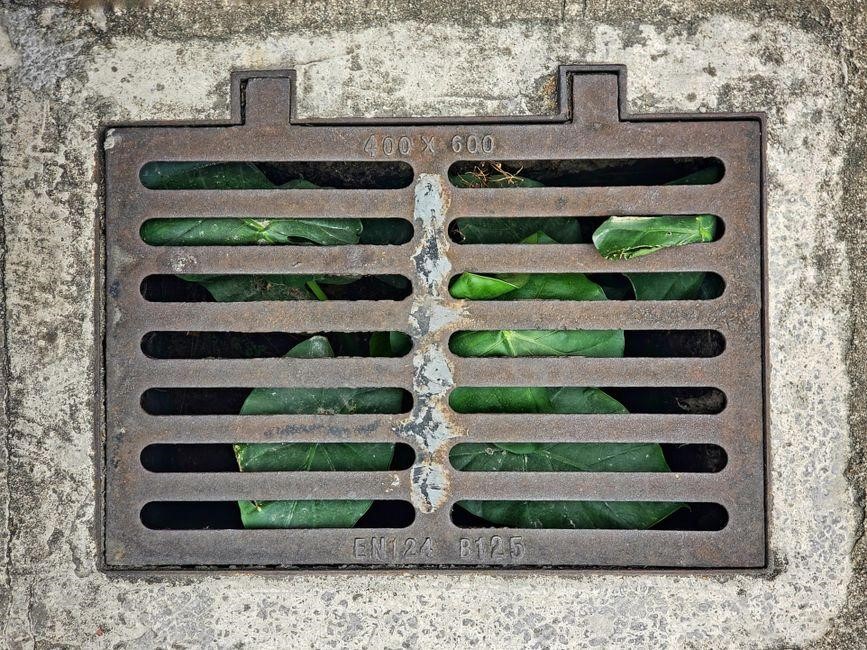
Planning drainage for busy zones balances structural strength, flow capacity, and routine maintenance needs. Matching component ratings to expected vehicle weights protects surrounding pavement and keeps traffic moving smoothly. Investing in high-quality materials and proper installation prevents expensive highway or commercial driveway repairs.


