

3D Rendering Vs. Traditional Sketching: Exploring the Best Approach for Design
Design teams rarely argue about sketching and rendering because one of them is outdated. The real tension usually starts when a project moves from internal ideas to public explanation. Inside the studio, a loose sketch can unlock a concept in minutes. Outside the studio, that same sketch may leave a client unsure about scale, materials, or how the building will actually look on the site. The problem is less about preference and more about timing. Different stages of design need different kinds of clarity.
That is why many firms still sketch early, then bring in 3D exterior rendering services when the project needs to be seen, judged, and approved by people who are not reading drawings every day. One method helps ideas form quickly. The other helps those ideas land clearly. The interesting question is not which tool looks more impressive. It is which one gives the project what it needs at the moment decisions are being made.
What Each Method Is Really Good At
Traditional sketching is often strongest at the beginning. It gives designers a quick way to test proportions, massing, circulation, and mood without getting trapped in detail too early. A sketch can suggest an idea without pretending it is finished. That matters because early design usually benefits from speed and flexibility more than polish.
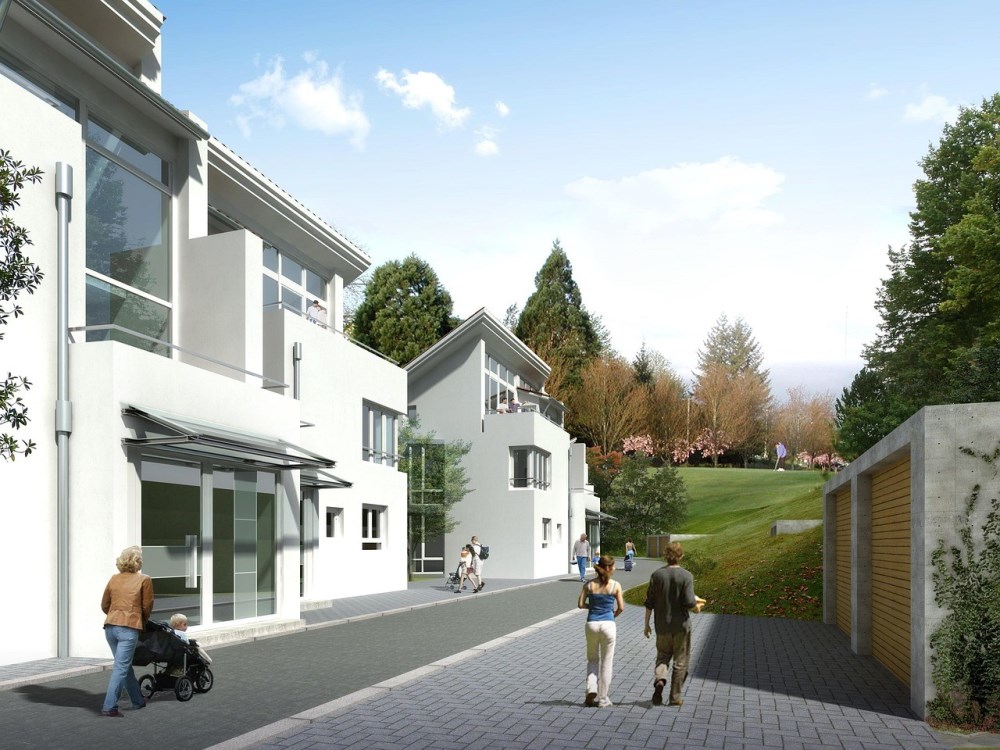
3D rendering serves a different purpose. It translates a proposal into a more complete visual experience. Materials, light, depth, scale, and context become easier to judge. A rendering can help a client see the building as a place rather than as a technical concept. That makes it especially useful when the people reviewing the work are not trained to read drawings fluently.
The mistake is treating these methods as rivals. A sketch is not a weak rendering, and a rendering is not a polished sketch. They solve different communication problems. Once that is clear, the comparison becomes much more practical.
Why Sketching Still Matters in a Digital Studio
Sketching survives for a reason. It lets a designer think in public, even when the audience is only the designer. A loose hand drawing can test an idea in seconds. That speed is hard to match when a model requires setup, structure, and software decisions before the idea even starts to take shape.
It also encourages productive ambiguity. A sketch leaves some things unresolved, which can be useful when a design is still open. Teams can discuss massing, entry sequence, roofline, or spatial rhythm without getting distracted by material perfection or hyperreal lighting. In the early stages, too much finish can actually slow the conversation because it makes unfinished ideas look more settled than they really are.
There is another advantage that matters in meetings. Sketches can feel more conversational. Clients often respond to them as part of the design process rather than as final promises. That can lower pressure and keep discussion more honest while options are still on the table.
Where 3D Rendering Pulls Ahead
Rendering becomes much more valuable when the project needs to be understood beyond the design team. Clients, planning boards, investors, and buyers usually respond better when they can see a proposal with realistic depth and context. A rendering can show how materials relate, how shadows affect the façade, how landscaping changes the street view, and how the building may actually sit on the site.
That kind of clarity matters because many project decisions do not fail on technical quality. They fail in communication. A strong house design can still fail if the audience cannot picture it. Rendering reduces that gap. It makes the project easier to judge, which often leads to faster approvals, sharper feedback, and more confident decision-making.
Rendering also has advantages once the project moves closer to external presentation. Marketing teams need visuals. Developers need sales material. Clients often need a strong image to explain the project to partners or investors. At that stage, the raw intelligence of a sketch is usually not enough on its own.
The Real Difference Is Timing, Not Talent
People sometimes talk about sketching as if it belongs to “creative” designers and rendering as if it belongs to “technical” ones. That is not a useful distinction. Both methods can be creative. Both can be technical. The bigger difference is timing.
In the earliest phases, designers often need speed and room for change. Sketching fits that well. It supports exploration and helps teams test several directions without investing too much effort in one too soon. As the design becomes more defined, the need shifts. The team needs to explain, coordinate, and persuade. That is where rendering begins to carry more weight.
This is also why many studios move back and forth instead of following a strict sequence. A sketch can trigger a model. A model can reveal a problem that sends the team back to sketching. The process is often circular, not linear. Good teams know when to stay loose and when to become precise.
What Clients Usually Need Versus What Designers Usually Need
Designers and clients do not always need the same visual tool at the same moment. Designers often benefit from sketches because sketches keep the work fluid. Clients often benefit from renderings because renderings reduce uncertainty. That difference explains many presentation problems.
A designer may walk into a meeting feeling that the concept is clear enough. The client may leave that same meeting still unsure about the street view, the material tone, or the scale of the building next to its surroundings. The issue is not intelligence on either side. The issue is translation. Rendering often works better for that translation because it shows the project in a form closer to what non-designers expect to understand.
At the same time, relying on polished renderings too early can create another problem. Clients may read them as fixed reality rather than a design still in progress. That can make change harder, even when change is still needed. The best communication strategy takes this into account and uses the right level of finish for the stage of the project.
The Best Approach Is Usually a Sequence, Not a Side
For most architecture and design work, the strongest answer is not to sketch or render in isolation. It is a sequence. Sketching helps the idea arrive faster. Modeling helps it become more coherent. Rendering helps other people see it clearly. Each method builds on the one before it, and each one becomes more valuable when used at the right time.
This also helps protect design quality. If a team skips sketching and rushes straight into polished visuals, the work can become rigid too early. If it stays only in sketch form for too long, communication may break down when the project needs external support. A balanced process avoids both mistakes.
The practical question, then, is not which method is better in theory. It is which method helps the project move forward right now. Some moments need speed. Some need realism. Some need persuasion. Good design teams know the difference, and that is usually where the real advantage begins.


