

Why Some Homes Are Naturally Better Candidates for Heat Pumps Than Others
Heat pumps have become one of the most talked-about home comfort upgrades in recent years, but not every property is equally suited for one. While modern systems can perform well in a wide range of climates, the home itself plays a major role in determining how efficiently a heat pump will operate.
Many homeowners assume that choosing the right unit is the only important decision. In reality, factors such as insulation, layout, existing heating equipment, airflow, and even the home’s age can significantly influence comfort, energy use, and long-term performance.
Understanding these factors before making an investment helps homeowners choose a system that delivers reliable comfort for years rather than one that struggles to meet expectations.
Insulation Makes a Bigger Difference Than Many People Realize
A heat pump continuously transfers heat instead of generating it through combustion. Because of this, it performs best when the home retains warmth efficiently.
Homes with well-insulated walls, ceilings, and floors naturally lose less heat during winter and gain less heat during summer. This allows the system to operate more consistently without constantly running at maximum capacity.
Older homes with little insulation can still use heat pumps successfully, but improving insulation beforehand often delivers better comfort while reducing operating costs.
Air Sealing Helps Heat Pumps Work More Efficiently
Even a well-insulated home can lose significant amounts of conditioned air through gaps around windows, doors, attic penetrations, and foundation openings.
These small air leaks force heating and cooling systems to compensate for continuous energy loss.
Simple improvements such as weatherstripping, caulking, and sealing attic bypasses can reduce unnecessary workload and allow a heat pump to maintain indoor temperatures more effectively.
When combined with proper insulation, air sealing often provides noticeable improvements in overall efficiency.
Existing Ductwork Can Influence Performance
For ducted systems, the condition of the home’s ductwork is just as important as the equipment itself.
Older duct systems may contain:
- Air leaks
- Poor insulation
- Restrictive layouts
- Uneven airflow
- Undersized return ducts
These issues reduce the amount of conditioned air reaching living spaces and can create uncomfortable hot or cold spots throughout the home.
In many cases, inspecting and improving ductwork before installing a new heat pump produces better long-term results than simply replacing equipment.
Home Layout Plays an Important Role
Not all floor plans distribute heating and cooling equally.
Open-concept homes generally allow conditioned air to circulate more freely between rooms. In contrast, homes with numerous small rooms, long hallways, or multiple additions may require more careful airflow planning.
Multi-storey homes also present unique challenges because warm air naturally rises while cool air settles lower in the building.
Proper system design takes these characteristics into account to achieve balanced comfort throughout the entire home.
Window Quality Affects Heating and Cooling Demand
Windows are one of the largest sources of heat transfer in many houses.
Older single-pane windows or aging frames often allow more heat to escape during winter while admitting unwanted solar heat during summer.
Modern double- or triple-pane windows with improved insulation help stabilize indoor temperatures, allowing heat pumps to operate more efficiently throughout the year.
While replacing every window isn’t always necessary, improving poorly performing windows can noticeably reduce heating and cooling demand.
The Home’s Electrical System Matters
Unlike traditional fuel-burning equipment, heat pumps rely entirely on electricity.
Older homes may have electrical panels that require upgrades before supporting modern equipment, particularly when replacing multiple appliances or installing larger systems.
Evaluating electrical capacity early in the planning process helps prevent unexpected installation delays and allows homeowners to budget appropriately if upgrades become necessary.
Existing Heating Systems Can Complement a Heat Pump
Not every installation involves removing the existing heating equipment.
Many homes benefit from hybrid heating arrangements where a heat pump works alongside another heating source.
This approach allows homeowners to enjoy efficient heating during moderate weather while relying on supplemental heat only when conditions require additional capacity.
Selecting the right approach depends on factors such as home size, insulation levels, energy costs, and household comfort preferences.
Ceiling Height Influences Comfort
Homes with vaulted or cathedral ceilings contain a larger volume of air that must be heated or cooled.
Without proper air circulation, warm air may collect near the ceiling while occupied living spaces remain cooler.
Ceiling fans, proper airflow planning, and correctly designed duct systems can improve air distribution and help maintain more consistent temperatures throughout larger spaces.
Sun Exposure Changes Heating and Cooling Needs
Two homes with identical floor plans can perform very differently depending on their orientation.
Large south-facing windows may contribute valuable solar warmth during colder months but can also increase cooling demand during summer.
Meanwhile, shaded properties surrounded by mature trees may experience lower cooling loads while requiring more heating during winter.
Understanding how sunlight interacts with the home helps determine appropriate system sizing and overall energy expectations.
Moisture Control Is Often Overlooked
Comfort depends on more than temperature alone.
Homes with high indoor humidity often feel warmer during summer, causing occupants to lower thermostat settings unnecessarily.
Modern heat pumps help remove indoor humidity during cooling operation, but excessive moisture caused by poor ventilation or building issues should be addressed separately.
Managing humidity improves comfort while allowing the system to operate more efficiently.
Proper System Sizing Remains Essential
Even homes that appear ideal for heat pumps can experience disappointing results if the equipment is incorrectly sized.
Oversized systems tend to cycle on and off too frequently, reducing efficiency and limiting humidity control.
Undersized systems may struggle to maintain comfortable temperatures during periods of high demand.
Professional load calculations consider factors such as insulation, square footage, window area, ceiling height, orientation, occupancy, and local climate rather than relying solely on the home’s size.
This process helps ensure the selected system matches the building’s actual heating and cooling requirements.
Installation Quality Still Determines Long-Term Success
Even the best home characteristics cannot compensate for poor workmanship.
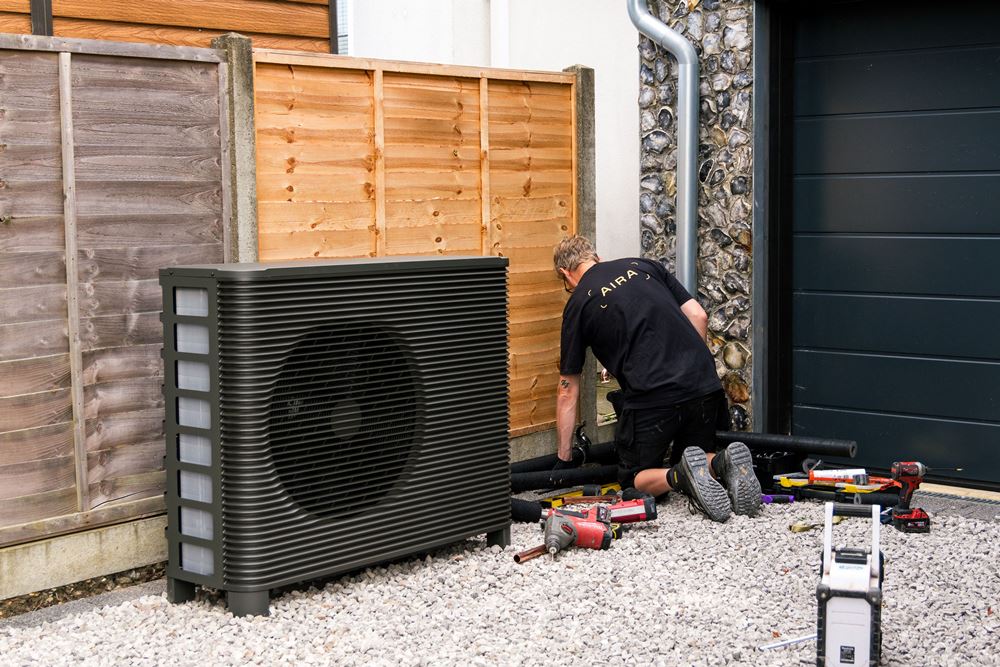
Incorrect refrigerant charging, improper airflow adjustments, inadequate electrical connections, or poorly placed outdoor units can reduce efficiency, shorten equipment lifespan, and increase maintenance needs.
Choosing professional heat pump installation helps ensure the equipment is configured according to manufacturer specifications while accounting for the home’s unique construction and heating requirements.
Proper installation allows homeowners to achieve the performance modern heat pumps are designed to deliver.
Small Improvements Can Make a Big Difference
Homeowners sometimes believe they must complete major renovations before considering a heat pump. In reality, several modest upgrades can improve system performance without requiring a complete remodel.
Examples include:
- Sealing air leaks around windows and doors
- Adding attic insulation
- Replacing clogged air filters
- Improving return airflow
- Repairing damaged duct sections
- Upgrading older thermostats
- Clearing vegetation around outdoor equipment
Addressing these items before installation can improve efficiency while creating a more comfortable indoor environment.
Final Thoughts
Heat pumps can provide efficient, year-round comfort for many different types of homes, but the building itself plays an equally important role in determining overall performance.
Factors such as insulation, air sealing, ductwork, layout, electrical capacity, windows, moisture control, and system sizing all contribute to how well the equipment operates over time.
Rather than asking whether a home can support a heat pump, homeowners should focus on understanding how their property’s unique characteristics influence system performance. Taking the time to evaluate these factors before installation helps create a more comfortable, efficient, and reliable heating and cooling system that performs well for years to come.


