

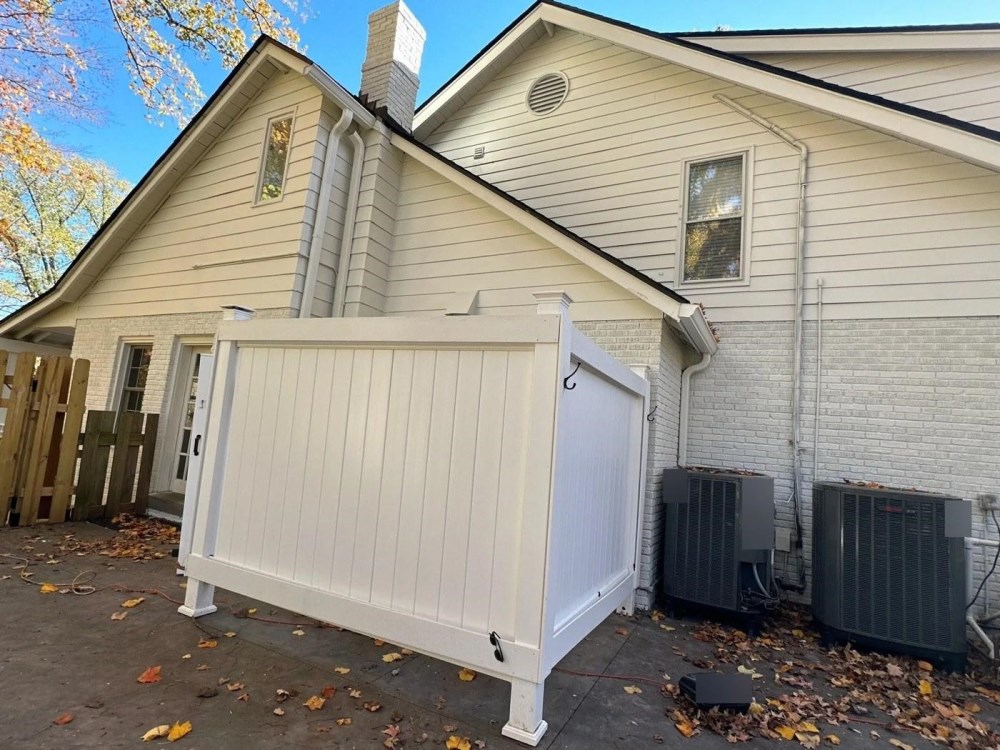
Why the Right Paint Finish Can Add Years to Your Home’s Exterior
Picture two houses on the same street. Both were painted the same summer, with similar colors and similar budgets. Five years later, one looks chalky and worn out. The other still looks like the crew left last month. So what gives?
Nine times out of ten, it’s not the color. It’s not even the brand. It’s the finish, that little sheen choice on the can most of us breeze right past. Sheen quietly decides how well your paint stands up to sun, rain, and life in general. Ask any veteran crew. Pros like Alarcon Pro Painting will happily talk your ear off about finishing before they ever open a fan deck, because that’s where the years come from.
Finish isn’t just about shine
Stand in the paint aisle and you’ll see the usual suspects: flat, satin, semi-gloss, gloss. Most of us treat it like a style question. Shiny or not shiny, done.
Here’s the thing: it’s really a toughness question. The shinier the paint, the harder and tighter the dried film. A glossier surface shrugs off rain instead of soaking it up. Dirt can’t dig in as easily. And when grime does show up, a quick wipe usually handles it. Independent testing agrees that higher-gloss paint resists stains best and cleans up with way less elbow grease.
The catch? All that shines is honesty. Brutally honest. Every dent, patch, and wavy old board shows right through. Flat paint keeps your secrets. Gloss tells the whole neighborhood.
Good paint helps too (obviously)
Finish and quality are a team. Exterior paints have gotten seriously good. The top performers in lab tests can go nine years outdoors or more without cracking, fading, or sprouting mildew. Put a paint like that in the right sheen for the surface and you’re set for a long stretch. Put a great paint in the wrong finish? You’ll be back on that ladder sooner than you’d like.
Match the finish to the surface
This is where most DIY jobs stumble. There’s no single “best” exterior finish. There’s a best finish for each part of the house.
Siding likes flat or satin. Big walls have big flaws, and low sheen hides them. Satin gives you a little washability without turning the place into a mirror. Trim, fascia, and eaves catch all the rain runoff, so they’ve earned a semi-gloss that can take it. Now, your front door. Think about how many times a day somebody grabs it, shoulders it open, lets it slam. Doors and shutters live a rough life, so give them semi-gloss at least. Gloss if you don’t mind the shine. A damp rag takes the handprints right off. Stucco and masonry are the odd ones out here. Shinier is not tougher on these walls. They hold moisture, and that moisture needs a way out, so a breathable flat is the safer bet. Seal it under a hard glossy film and the film can blister right off. Porch floors? Satin porch enamel. It keeps a bit of grip underfoot and it can take a scrubbing.
Easy way to remember it: the more abuse a surface takes, the more sheen it deserves.
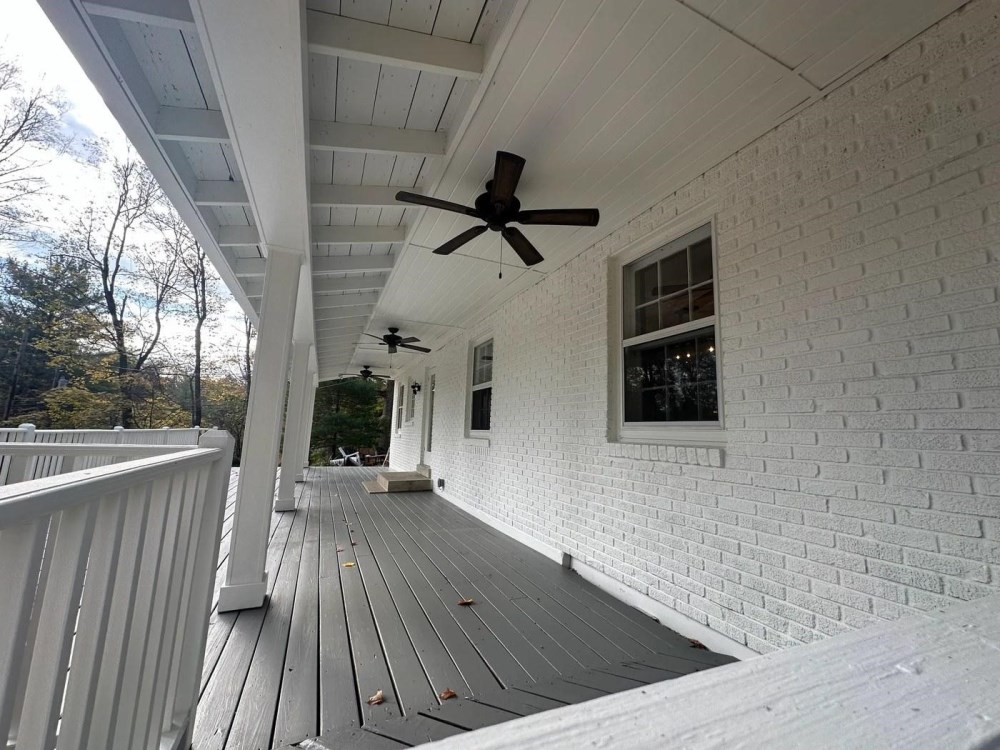
Sun and water are the real bullies
Whatever finish you pick, it’s fighting the same two enemies. Sunlight slowly chews through the paint film. That’s the fading and chalking. Water works differently. It gets into the wood and swells it, the wood shrinks again when it dries, and after enough rounds of that the paint film just gives up and cracks. Small crack, no big deal, right? Except now water has a way in behind the paint. Peeling shows up not long after, usually in a spot you can see from the driveway.
You can actually watch this happen in your own house. Wood-finish research has noted for decades that the north side of a building ages slower because it gets less direct sunlight. Meanwhile the south and west walls are out there taking the full beating. Those are the walls where your finish choice really earns its keep, and the first ones worth a walk-around every spring.
Little habits, extra years
Even the best finish appreciates a little backup. Hose the house down once a year, gently, before mildew gets comfortable. Check the caulk while you’re at it. A cracked bead around a window is basically an invitation for water, and squeezing in fresh caulk takes ten minutes. A repaint takes a lot longer than ten minutes. Oh, and if your sprinklers hit the siding every night, fix that today. And when you spot a hairline crack, touch it up now, not “at some point.”
Not exciting, you know. But every one of those chores is cheaper than peeling paint.
One last thing before you buy
Sheen changes how color looks, too. That swatch you loved at the store? In gloss it’ll come out deeper. In flat, softer. Full sun stretches the difference further than any little paper chip can show you. When in doubt, paint a test patch on your sunniest wall and give it a week. One more thing. If the wall itself is rough or chalky or already peeling, forget the finish question for now. Prep comes first, always, because no sheen survives a bad foundation. That’s exactly the moment a careful crew like Alarcon Pro Painting is worth calling in: they match the finish to the surface, and the prep to the finish.
Color is the part everyone notices. Finish is the part that decides how long they keep noticing it. Pick it on purpose, and that still-crisp house on the street? That can be yours, five years from now and well beyond.
FAQs
Which exterior paint finish lasts the longest?
Generally, the glossier the finish, the harder and more washable the film. But “longest” only counts if it suits the surface. A glossy film on stucco can trap moisture and blister, while the same finish on a front door is perfect. Match first, then go as high in sheen as the surface allows.
Can I just use flat paint on the whole house?
You can, and it’ll hide a lot of flaws. The trade-off is that flat holds onto dirt and doesn’t love being scrubbed. Most homes do better with a mix: flat or satin on the big walls, semi-gloss on trim and doors.
Does a higher sheen hide dents and rough spots?
The opposite, actually. Shine bounces light, so every bump and patch stands out. If your siding has seen some things, stay on the flatter end or budget for extra prep before going glossy.
Will the same color look different in a different finish?
Yes, noticeably. Gloss reads deeper and more saturated, flat reads softer and lighter, and full sun exaggerates the gap. Always test the exact finish you plan to buy, not just the color.
How do I know when it’s time to repaint?
Watch for chalky residue when you rub the wall, fading on the sunny sides, and hairline cracks in the film. Catch it at that stage and you’re repainting on your schedule. Wait for peeling and you’ve added scraping, priming, and cost.


